
The Celtic tree calendar assigns specific trees to months of the year, each carrying its own energy, symbolism, and spiritual significance. The month of Ash, called Nion (pronounced "NEE-un"), in the Ogham alphabet runs from February 18 to March 17, placing it right at the threshold between winter and spring. This is a time of expansion, connection, and movement. Ash isn't a quiet, introspective tree.
It's a bridge builder, a world-connector, and is one of the most powerful trees in Celtic and Norse traditions. When the Irish people immigrated to America, they brought ash trees with them. They also carried bits of ash wood in their pockets to save them from drowning while crossing the ocean.
Let's get into what Ash means, who to honor during this month, what magic works this month, and make a besom.
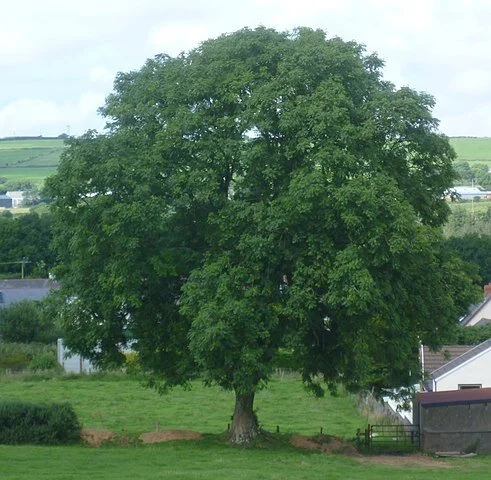
The strong ash tree. Located in Wales 16 M or 53 Ft tall. Photo by Tony Holkham
The ash (Fraxinus genus) is a tall, graceful hardwood. It is widespread throughout much of Europe, Asia, and North America. There are approximately 16 species of ash trees native to North America. These trees were once highly abundant, with an estimated 7 to 9 billion ash trees in the United States alone before the widespread infestation of the invasive Emerald Ash Borer.
It can live for hundreds of years, grows quickly compared to other hardwoods, and produces distinctive black buds in winter that make it easy to identify even when bare.
In the Celtic world, ash was considered one of the three sacred trees alongside oak and hawthorn. What stands out most about ash is its role as a connector between worlds. The roots go deep, the branches stretch wide, and in both Celtic and Norse worldviews, the ash is a cosmic axis - the tree that holds everything together.
In the Celtic world, ash is part of the Druid trilogy and was considered one of the three sacred trees alongside oak and hawthorn. The oak represents the masculine and the hawthorn the feminine. The ash balanced and focuses these energies. A blessing said during rituals today is “by oak, ash and thorn”.
“An ash I know there stands,
Yggdrasill is its name,
a tall tree, showered
with shining loam.
From there come the dews
that drop in the valleys.
It stands forever green over
Urðr’s well.”
Ash Tree Symbolism
Connection Between Worlds In Norse tradition, the World Tree Yggdrasil is widely identified as an ash. It connects the nine realms, linking the world of the living to the ancestors, the gods, the underworld, and the cosmos. Celtic tradition similarly views ash as a tree that bridges the upper and lower worlds. If you're doing any work that involves travel between realms such as journeying, ancestral communication, or spirit work, ash supports that movement.
Expansion and Growth Ash grows fast and reaches great heights. Its energy is outward-moving, expansive, and forward-looking. The month of Ash arrives just as the light is visibly returning and the natural world is beginning to stir again. This is a time to think bigger, push outward, and set things in motion that you want to grow through spring and summer.
Strength and Flexibility Ash wood is famously tough yet flexible. It was used for tool handles, spear shafts, and wheel rims throughout history precisely because it can absorb shock without breaking. This is a good reminder for the work you do during this month. Build things that can bend when they need to without snapping.
Sea and Water In Irish and Greek mythology, ash is associated with the sea and with rivers. Ash trees were believed to protect against drowning, and fishermen carried ash wood or charms made from it. This gives ash a fluid, moving quality. It is not stagnant like standing water, but dynamic like a current.
Healing Ash has a long history in folk healing across Celtic lands. The leaves, bark, and keys (the winged seeds) were used medicinally. Spiritually, ash is considered a healing tree and one that helps restore what has been depleted over winter.
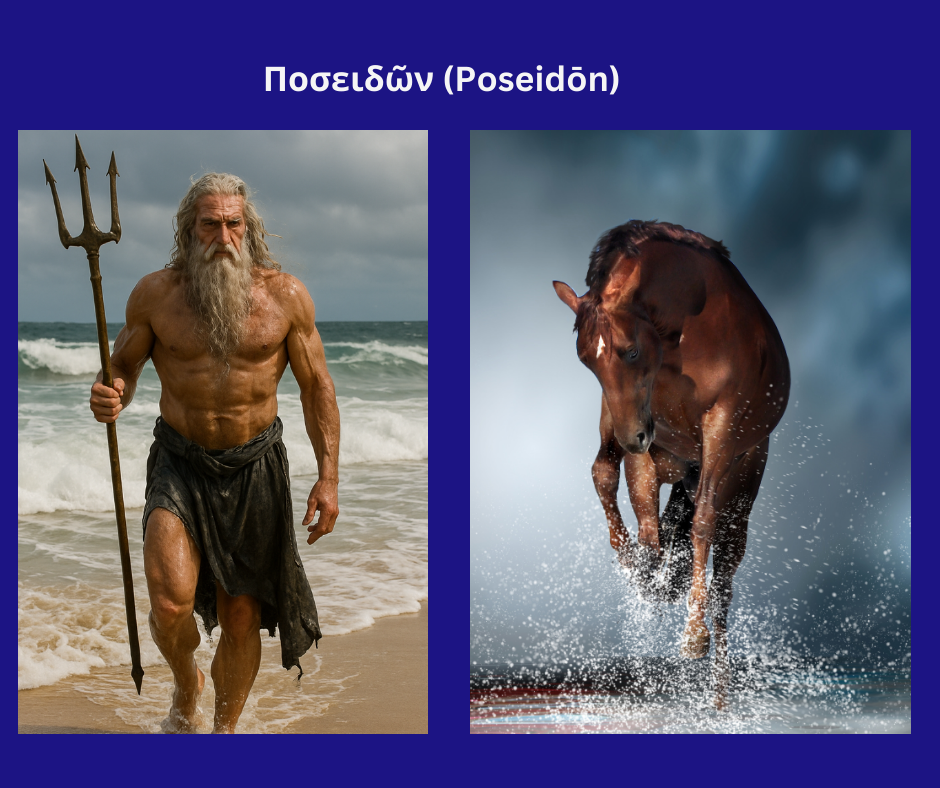
In Irish and Greek mythology, ash is associated with the sea and with rivers.
Deities To Honor during Ash
Druids
The ash tree is one of the three trees that are part of the Druid trilogy - Oak, Ash, Hawthorn.
The oak represented the masculine and the hawthorn the feminine. The ash balanced and focused these energies. A blessing said during rituals today is “by oak, ash and thorn”.
Greeks
The ancient Greeks built boats out of ash and considered the ash to be the tree of Poseidon. Given ash's planetary association with Neptune and its water connections, Poseidon or Neptune can be honored during this time, especially for spells involving movement, travel over water, or emotional depth work.
Honor Poseidon by recognizing the vastness and power of the sea. Offer a small libation of seawater or wine at the shore while speaking words of respect. Decorate an altar with seashells or small figures of horses and dolphins.
Hermes/Mercury (Greek/Roman) Ash is connected to communication and to messages carried between worlds. Hermes as the divine messenger, the traveler between realms, is a natural fit for the ash month. Good to invoke for communication magic, divination, and crossroads work.
The Greek Meliae (or Meliai) nymphs are associated with the ash tree and born from the blood of Uranus that fell on Gaia (Earth) during his castration by Cronus. As some of the oldest nymphs, they are associated with the Bronze Age of man, often acting as nurses to the infant Zeus and creators of ambrosia.
The Greek goddess Nemesis, carried an ash branch as a symbol of justice. Nemesis is the ancient Greek goddess of divine retribution, vengeance, and cosmic balance, responsible for punishing hubris (excessive pride) and rewarding humility. Honor her by making offerings of wine, honey, and bread, meditating on fairness, and practicing self-reflection to avoid arrogance.
Irish/Gaelic
Manannan mac Lir (Irish) Manannan is the Irish god of the sea and of liminal spaces — he rules the space between worlds, the mist, and the passage to the Otherworld. Given ash's associations with water and world travel, he fits this month well. If you're doing any Otherworld or ancestral work, Manannan is a powerful ally to call on. Offerings of silver, apples, and sea water are traditional.
Lir (Irish) Lir is another sea deity, the father figure whose story is connected to transformation and loss. Working with Lir during the month of Ash can be appropriate for shadow work connected to the sea or for honoring grief and change.
Brigid (Irish/Scottish) Imbolc — Brigid's primary festival — falls just before the month of Ash begins, but her energy carries well into this time. She is a goddess of healing, which aligns with ash's healing symbolism. If you're continuing Imbolc work or focusing on healing magic, Brigid remains a relevant deity here.
Norse
Odin (Norse) Odin hung himself from Yggdrasil, the great ash, for nine days to gain the wisdom of the runes. His connection to ash is direct and deeply personal. This is a good time to honor Odin if you work with him, particularly through rune work, wisdom-seeking, and sacrifice for knowledge. The month of Ash is a natural time to deepen rune practice or begin studying them if you haven't.
Read my article How to Setup a Norse Pagan Altar ( Complete list of supplies needed )
Kindle Version $5.99
Correspondences
Planets – Sun and Neptune
Gender energy Masculine
Element – Water
Crystals – Clear quartz, turquoise and lepidolite
Birds – snipe
Animals – Snakes, seahorse, seagull, unicorn
Color – blue, green
Gemstone – beryl
Season - Late winter/early spring transition
Day - Wednesday
Tarot – hanged man
Working with Ash in Your Practice
You don't need elaborate tools or a forest to work with ash. Here are simple, direct ways to bring this tree into your practice during its month:
Sit with an ash tree if you have access to one. Collect a fallen small branch, leaf, or seed pod. Spend time in quiet observation.
Collect ash keys (the winged seeds) make excellent offerings and can be used in charm bags.
Use ash essential oil (derived from the bark) in blends for protection, healing, or travel work.
Study the Ogham letter Nion - draw it, meditate on it, and journal about what expansion and connection mean in your life right now.
Set intentions aligned with ash energy ask yourself where do you want to grow? What bridges do you need to build? What needs healing?
Magic That Works Well During the Month of Ash
The energy of this month is expansive and connective. You're working with a tree that bridges worlds and a time of year when the earth is beginning to move again after winter stillness. The following types of magic are particularly well-suited to this period.
World-Walking and Journeying
If you practice shamanic journeying, pathwalking, or any form of spirit travel, ash is your tree. Burn ash wood or carry a piece of ash in your non-dominant hand during journeys. You can also create a simple staff or wand from an ash branch to use as a tool for this kind of work. Ask the ash tree's spirit to serve as a guide between worlds.
Communication Spells
Need to have a difficult conversation? Trying to get a message through - literally or spiritually? Work with ash. Write your intended message on paper and place it beneath an ash leaf or a piece of ash bark on your altar. You can also carve the Ogham letter Nion onto a candle and burn it while speaking your intention aloud.
Healing Work
Ash supports healing magic, particularly for long-term recovery or renewal after a period of depletion. Create a healing charm by tying together three ash leaves with blue or green thread while stating your healing intention. Carry it with you or place it near someone who needs support. You can also make an ash-based floor wash by simmering bark in water, straining it, and adding it to your cleaning water to clear illness or stagnant energy from your space.
Rune Work
If you work with runes, this is the ideal time to deepen that practice. Carve or paint runes onto ash wood ash is the traditional material for rune sets for good reason. Do readings, study individual runes, or create a binding rune (a bind rune) for a specific intention this month.
Free Downloads In My Store

Protection Magic
Ash has been used for protection across many traditions, particularly against malicious spirits and against harm while traveling. A simple protection charm: carry a piece of ash wood in your bag or hang a small bundle of ash twigs above your door. If you work with the Ogham, inscribe Nion on your threshold or on a piece of wood to guard your home.
Sea and Water Rituals
If you live near water, this is a good time to do ritual work at the shore, a river, or a lake. Bring ash leaves or a wooden offering to leave at the water's edge as you honor sea deities or ask for safe passage — literal or metaphorical — through whatever transition you're navigating.
A beginner-friendly introduction to the magical properties, symbolism of water, spells, and pagan water deities.
Witches Besoms
Ash is a wonderful wood to use to make a witch’s besom or broom. During the anti – witch years of the middle ages and into early America it was felt that witches hid their wands in the bristles of their brooms.
The witch then used the brooms to fly to nocturnal gatherings. We often see Halloween witches depicted flying on brooms by the light of the moon.
Today we do less flying on broomsticks, however the besom is still an important and potent article for ritual magic.

Witches Besom Photo by R. Schmidti
Make a Besom
Brooms that are mass-produced don’t have the magical power of one that is homemade.
If you are able, find a young ash tree that you can bond with. With the trees, blessing removes a strait limb about four feet long for your handle. Remember to thank the tree and leave a gift.
You may also go to a hardware store and purchase an ash wood handle made for tools.
Start by performing a ceremony to make the wood your own. Give thanks to the tree and to a deity of your choosing.
Honor the wood with sacred symbols. You can carve or paint runes, symbols important to you, or just infuse powerful colors.
Adorn the handle with ribbons, bells, feathers, whatever has meaning to you.
Infuse your own power with the besom by gently blowing your breath up and down the handle.
These will all increase the potency of the broom.
Now attach plants for bristles. You can use twigs of ash, birch, or willow. Wheat or oat straw. Plants in the artemisia family work well.
Use hemp to bind them to the handle. Since this broom is for rituals you don’t have to worry about the strength of the plants.
How to Use Your Besom
Use it for the opening and closing of a ritual to cleanse the space.
At the start of a new moon sweep the air of your home in a cleansing ritual.
Sweep away negative energy (don’t let the bristles actually touch the ground).
Place it under your bed to prevent nightmares.

Jumping the Broom or Besom
An African American marriage ritual from the 1600s is Jumping the Broom. It is thought to have come from West Africa with people who were captured and sold into slavery. While sadly it is associated with slavery, many now see it as a way to honor their heritage.
Slaves used this as a part of their non-church marriage ceremonies. During the wedding ceremony the couple holds hands and jumps over the broom.
Couples today with African heritage often Jump the Broom. Both Christian and Pagan ceremonies may incorporate this tradition. It symbolizes sweeping away the new and welcoming a new life together.
Conservation and Ecology
The Ash is a beautiful tree in the same family as olives and lilacs. It is widespread throughout the world and is common in North America, Europe, and Asia. The Celtic Month of Ash celebrates the strength and power of the ash tree.
The seeds of the ash tree are known as helicopters and are a type of fruit. Officially ash trees are dioecious which means they have male and female flowers on different plants. However, ash are interesting because gender is on a continuum and many trees are unisexual.
The ash is well known for it’s strong wood. In fact, the Old English name aesc means spear because historically spears and other tools and weapons were made from the wood.
The ash is an important tree in its ecological community. In North America, they are a home and food source for many wildlife species. Frog tadpoles eat the fallen leaves. White tailed deer enjoy the leaves. The trees are a host for many insect species which makes them a popular tree with birds. If you have the space Ash is also an important tree for a backyard wildlife habitat.
The American ash has fewer tannins in its leaves with make them a good food for wildlife. However, because they have fewer tannins, they are also more at risk to the Emerald Ash Borer which has become a great threat.
These ravenous beetles have killed an estimated ten million ash trees. Scientists have been trying to combat the beetles by introducing biological controls.
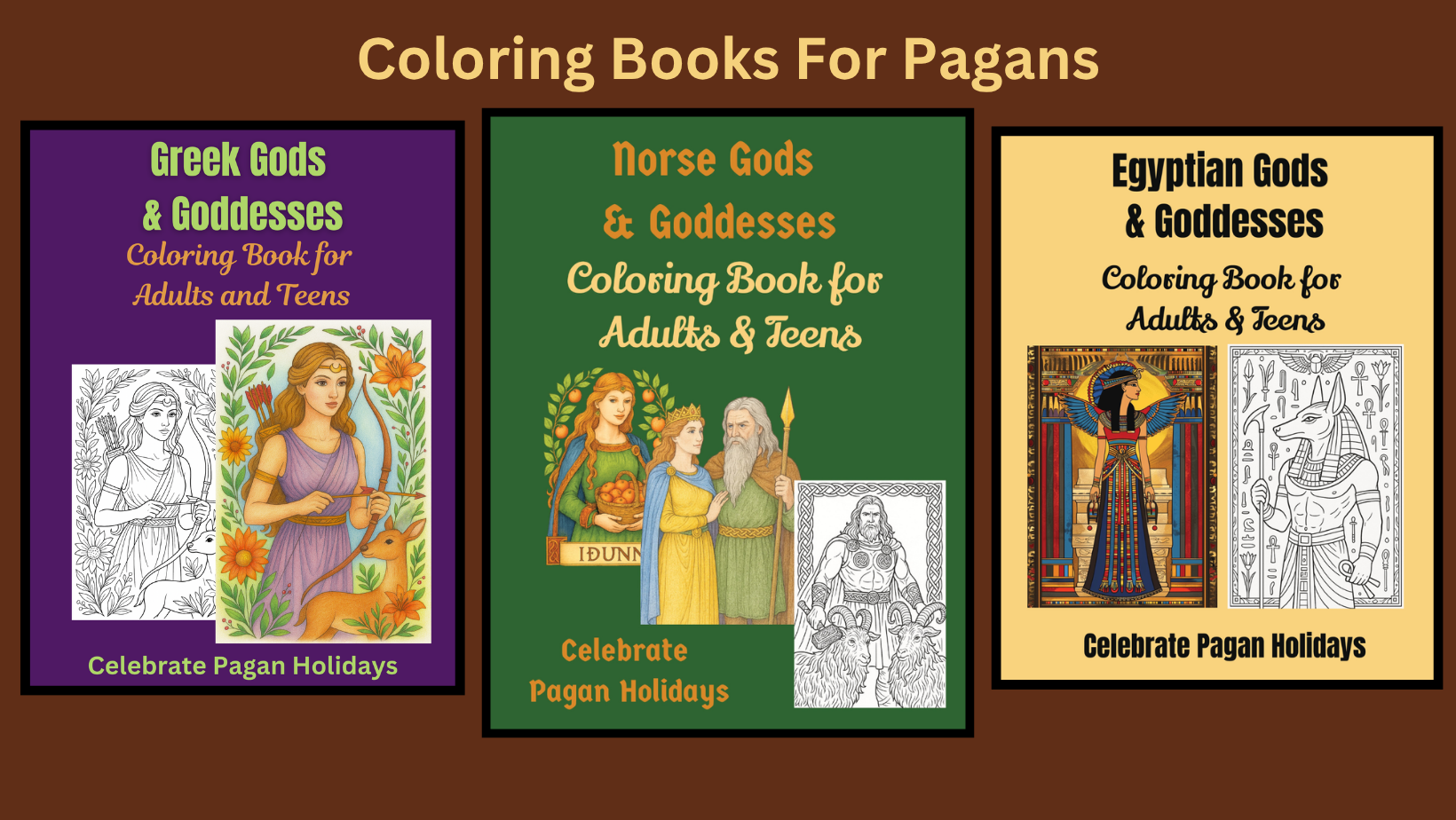
Coloring books are on Amazon in paperback and our website store in PDF
Family Connection
Take a nature walk and find ash trees. Thank the tree for all the things it contributes to the world.
Bring a sketch book and crayons or colored pencils to draw a picture or make a bark rubbing.
Use a magnifying glass and look for insects in the bark.
In autumn gather fallen leaves
Sit under the tree and tell stories about your favorite deities
Hug an ash tree!
Read Ame’s blog on Forest Sensory Walk: Fun Nature Activities For Young Children
Healing
Historically the ash is believed to strengthen the liver and spleen. It cleanses the body. The Greek physician Hippocrates used it in remedies for gout and arthritis.
Folklore says that if you place the leaves inside your shoes your feet will feel refreshed.
Dreams
Ash helps us to connect us with other realms through dreams or journeys. Place a leaf or a few seeds under your pillow to induce prophetic dreams
Final Thoughts
The month of Ash asks you to think bigger and reach further. Winter is ending. The energy is shifting outward. This is the time to build bridges — between yourself and your deities, between your current life and your goals, between the worlds you inhabit and the ones you want to visit.
Work with ash deliberately. It's a powerful tree with deep roots in the magical traditions many modern pagans draw from. Whether you're carving runes, making protection charms, or doing healing work, ash has the energy and history to back you up.
Make the most of it.
Author, Katherine Asha Fox, is our editor and one of our writers. She is currently raising a pagan husband and three children. They love getting outside and exploring the natural world. Katherine’s heritage is Native American (Northern Cheyenne and Arapaho) and Irish and she writes about family fun pagan activities, Native American and Celtic traditions.


This Free Download is a reference for the 24 symbols of the Nordic Elder Futhark Runic Alphabet. It includes the names, symbols, meanings and the corresponding English phoneme. 6 pages. There is a template if you would like to print the runes and a step by step guide to make them on wooden disks.
Check out my article A Modern Pagan’s Guide to Norse Runes: History, Uses, and the Major Symbols
Erik’s book The Complete Guide To Become A Norse Pagan is available on Etsy.
© 2025 Celebrate Pagan Holidays LLC
All rights reserved. No part of this book may be used in any manner without the expressed permission of the author. You may not reproduce, duplicate, or transmit the contents. This listing is for personal use only. Please share our website with friends/fellow teachers instead of making them a copy! These files cannot be used commercially.
8.5 x 11 inches (21.59 x 27.94 cm) PDF file.
For best printing use high-quality paper. Colors may differ due to monitor/printer variations. Final quality depends on your printer and paper.
This is a digital download, no physical item will be shipped. Instant download items don’t accept returns, exchanges, or cancellations. However, please contact us if you have any issues.
Transparency statement for all materials I (Ame) create: Materials are made by me in Canva. All writing is done by myself and my team (humans). Photos are taken by me, team members, or are stock photos on Canva. Illustrations are purchased from Creative Fabrica are a mix of illustration and AI, depending on image and some images may have been created using Sora AI. Garden designs are created using GrowVeg Garden Planner software.