
The Ash is a beautiful tree in the same family as olives and lilacs. It is widespread throughout the world and is common in North America, Europe, and Asia. The Celtic Month of Ash celebrates the strength and power of the ash tree.
The Ash is a beautiful tree in the same family as olives and lilacs. It is widespread throughout the world and is common in North America, Europe, and Asia. The Celtic Month of Ash celebrates the strength and power of the ash tree.
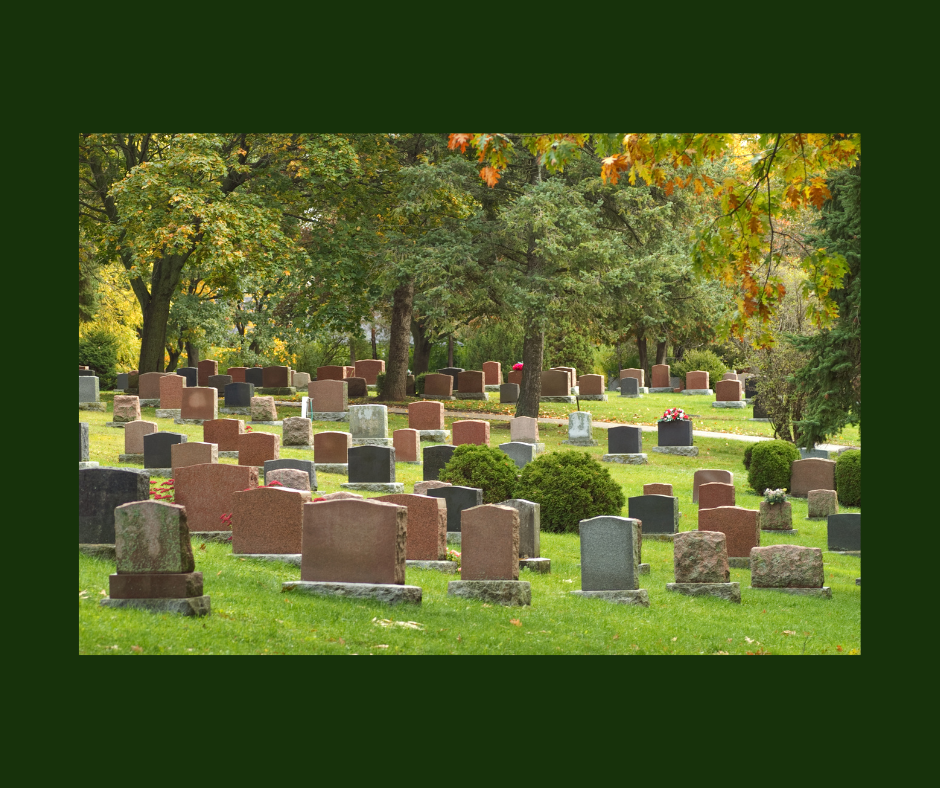
Parentalia is celebrated between February 13 - 21. This Ancient Roman festival resonates with modern pagans as a way to connect with our ancestors.
During Parentalia the Ancient Romans honored their ancestors and thanked them for continued protection over their homes and families.
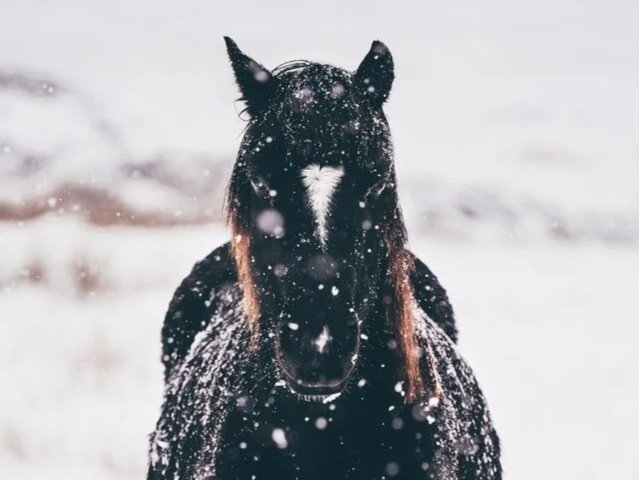
Days of Horses are a multiday Rodnovery festival celebrating this animal that starts on February 13th and ends on February 17th. Like most multiday holidays and festivals in Slavic Native Faith, this one also ends with a celebration of a deity, the three-headed god Triglav.
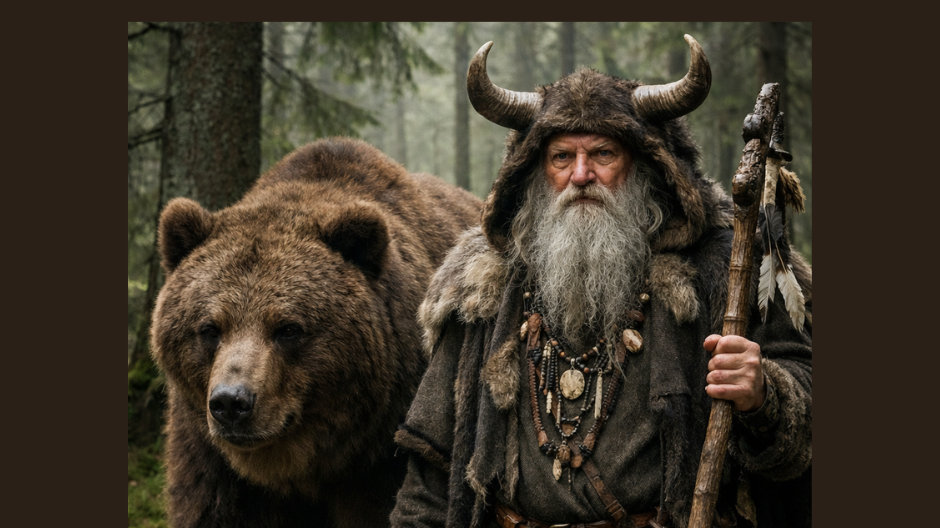
Veles, also known as Volos or Vlas, is a major Rodnovery deity, a Slavic God of earth, waters, livestock, farmers, and the ruler of Prav - the underworld. He’s wooly, bearded, and dark and is associated with animals, cattle, harvest, wealth, music, magic, and trickery.
Disablot is a Norse/Germanic pagan holiday that honors female deities. Female spirits of ancestors, Disir, Odin’s Valkyries, or other women in your life are honored. Frig, Freya, and Ostera are often celebrated.
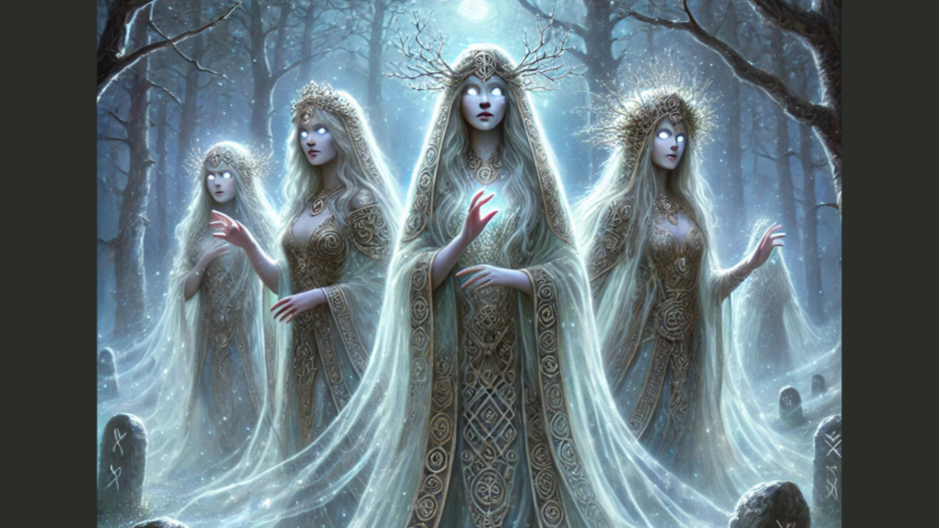
Disir are female deities that honored women ancestors and were felt to guard the living. We honor women who give us life and their fertility. Revived by modern Heathens and Pagans, it focuses on ancestor veneration and honoring the divine feminine, with traditions like the Disting still held annually in Uppsala, Sweden.
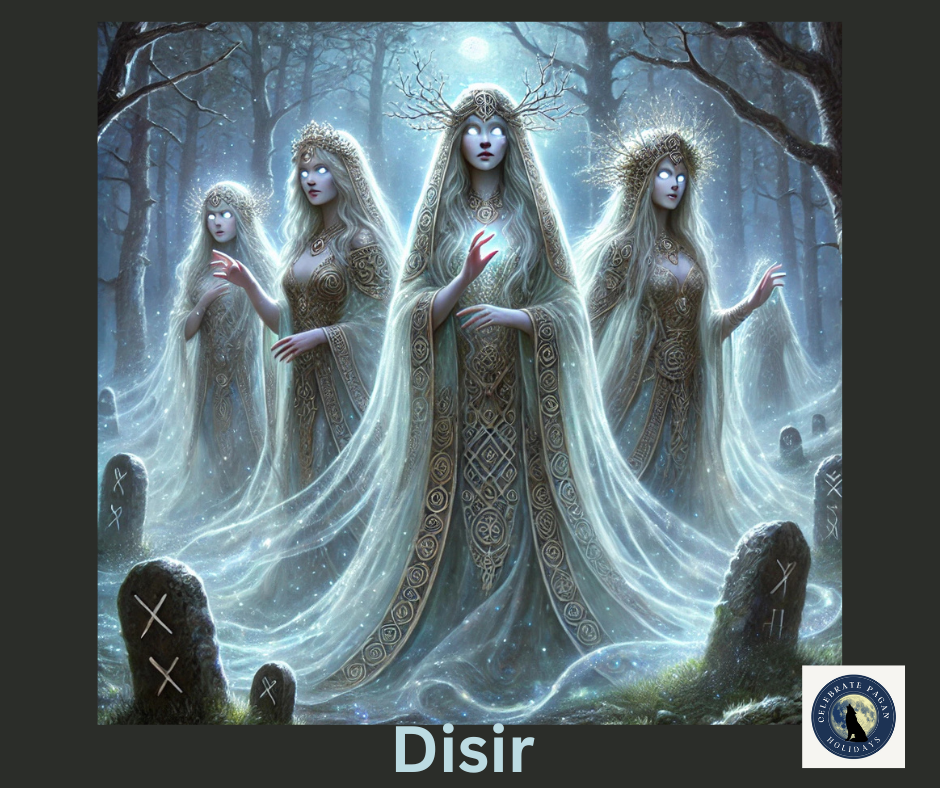
The Dísir are protective female spirits connected to kinship and place. Some are personal ancestors; others are broader land or clan guardians. They are not distant gods. They are close, watchful, and involved in daily life. Honoring the Dísir centers on respect for lineage, gratitude for those who came before us, and care for future generations.
The name Dísablót means "sacrifice to the Dísir". Dis refers to the protective female spirits (like Valkyries or ancestors), and blót means sacrifice or offering. In Sweden, the Dísablót was directly linked to the Thing (Old Norse: Þing), which was an important public assembly and legislative body in ancient Germanic societies.
Dísablót is celebrated each year in Uppsala Sweden at the Disting festival from late January - early March depending on the lunar cycle. Traditionally this winter holiday was held during the vernal equinox.
The Thing (or assembly) of the Goddesses. Celebrated in Sweden as the first Moot Fair of the season. The Thing was a famous gathering where law and justice were discussed. Contracts were made and grievances were expressed. Bravery was honored and it was a time to consider how your acts affected others. The Disting Market Fair continues to be held annually in February, in Uppsala, Sweden. It’s one of the oldest continuous fairs.
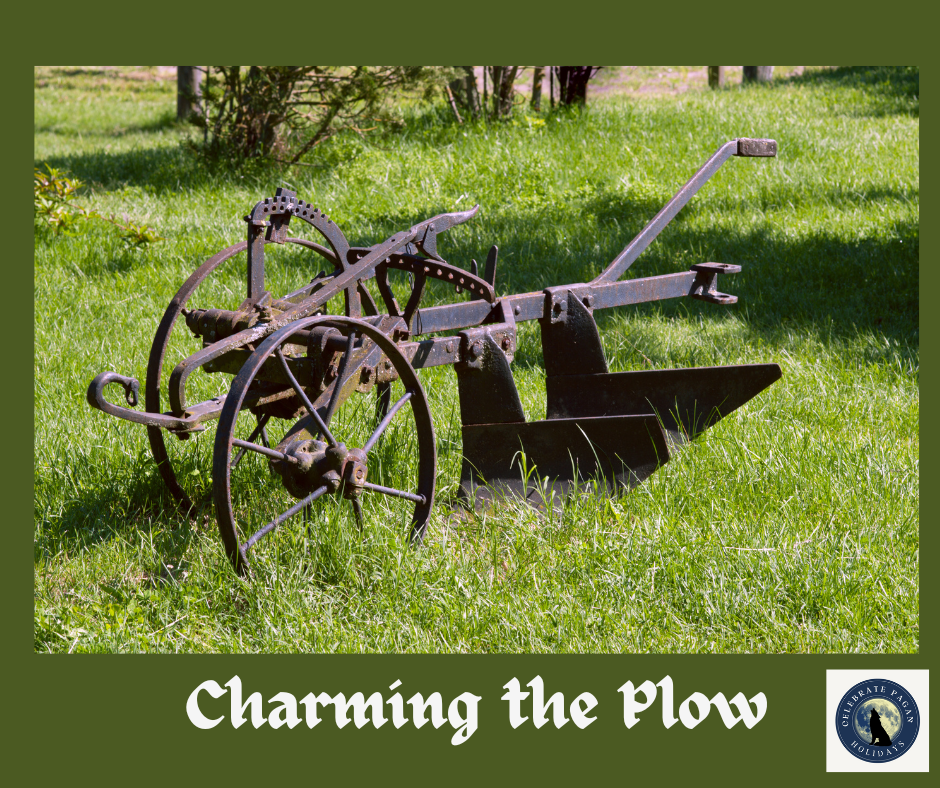
Celebrated in Scandinavia before Christian conquerors to enhance the coming harvest season. The holiday is also referred to as the “charming of the plow” after the namesake spell.
A time to give thanks for the coming spring and the fertility of the soil. During the ritual, the equipment, seeds, and fields would all be charmed for an abundant growing season. Songs, spoken charms, or symbolic gestures were used to awaken the land. In some traditions, women played a leading role, reinforcing the link between female power, soil fertility, and life cycles.
The ancient legend most often connected to the Charming of the Plow comes from medieval Scandinavian sources and centers on Gefjon, the goddess associated with fertility, plowing, and the shaping of land. The story is recorded in the Prose Edda and reflects how deeply agriculture, divine favor, and rulership were linked in Norse culture.
According to the legend, Gefjon traveled to Sweden and visited King Gylfi, who ruled the land at the time. Gylfi promised her as much land as she could plow in a single night. What he did not expect was Gefjon’s response. She transformed her four sons—fathered by a giant—into powerful oxen. Using them to pull her plow, she cut a massive piece of earth from Sweden. The furrows were so deep and strong that the land tore free entirely.
Gefjon dragged this plowed land westward into the sea and set it down, forming what is now the island of Zealand in Denmark. The empty space left behind filled with water and became Lake Mälaren. The story explains real geography through myth, but it also carries symbolic weight. The act of plowing is not just farming—it is creation. Gefjon shapes the land itself through agricultural work, reinforcing the idea that fertility, cultivation, and divine power are inseparable.
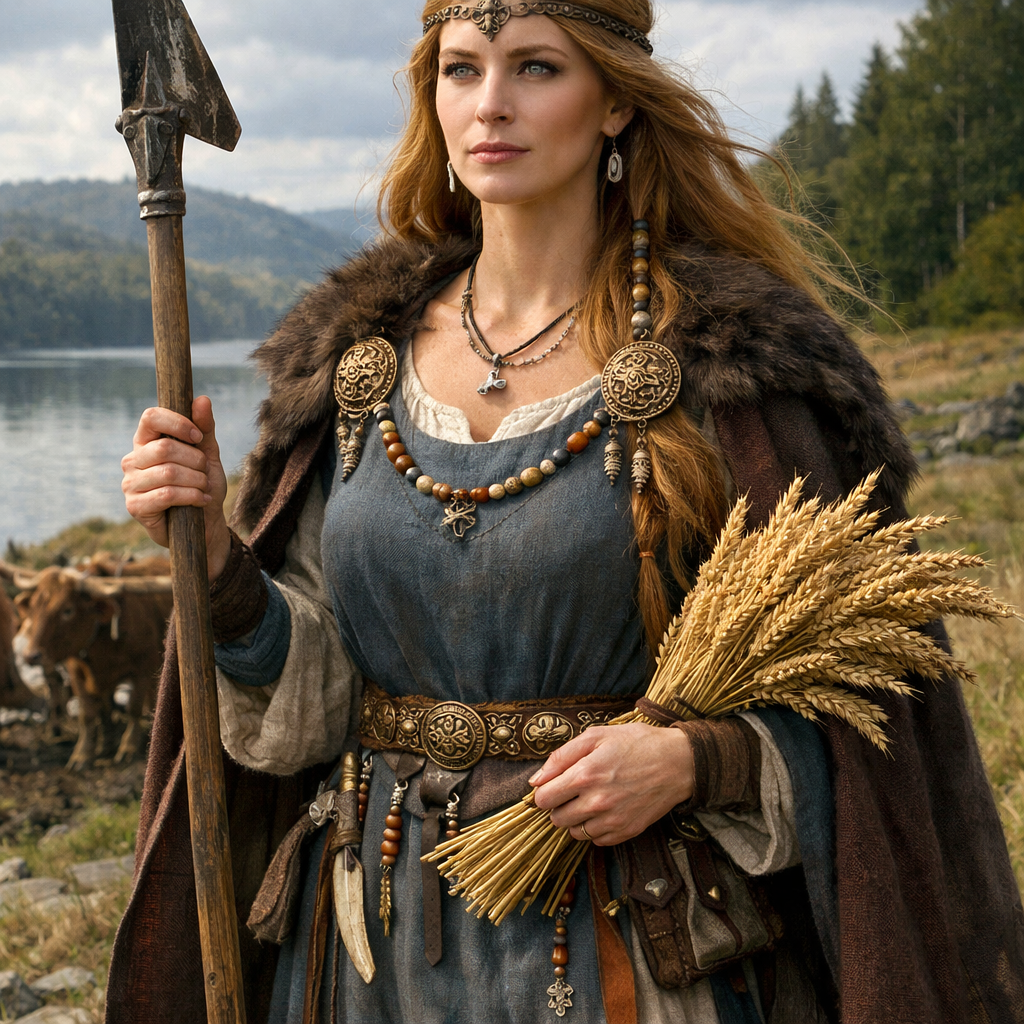
The goddess Gefjon
Gefjon pronounced Geef-yawn (Gefjun, Gefyon, Gebjun) is the Norse goddess of agriculture, fertility, and the shaping of the land. Her name is often linked to the idea of “giving” or “bestowing,” which fits her role as a provider of fertile soil and abundance. Gefjon represents the active relationship between people and the earth—especially the work required to make land productive. In Norse culture, farming was survival, and Gefjon embodies the sacred side of that labor. She is not a distant sky deity, but a grounded figure tied to soil, tools, and seasonal cycles.
Gefjon is also closely associated with women’s power, reproduction, and stewardship of resources. In some interpretations, she bridges human effort and divine blessing, reminding people that good harvests come from both hard work and respectful relationship with the land. This makes her especially relevant to rites connected to plowing, planting, and land blessing.
In Dísablót, Freyr is often honored for his strong ties to fertility, peace, and prosperity. Freyr’s role fits naturally with this rite because Dísablót takes place as people look toward the coming growing season. He represents healthy crops, good weather, and balance between humans and the land. Honoring Freyr during Dísablót is less about grand ceremony and more about asking for steady abundance—food that grows, animals that thrive, and households that remain secure through the year ahead.
Freyja holds a different but equally important role. While Freyr’s fertility is tied to fields and harvests, Freyja’s power centers on female lineage, fate, and ancestral magic. She is closely connected to women, childbirth, and the unseen threads that bind families across generations.
This makes her especially relevant to Dísablót, which honors female ancestral spirits. Freyja’s association with seiðr places her at the boundary between the living and the dead, reinforcing the idea that ancestors continue to guide and protect their descendants.
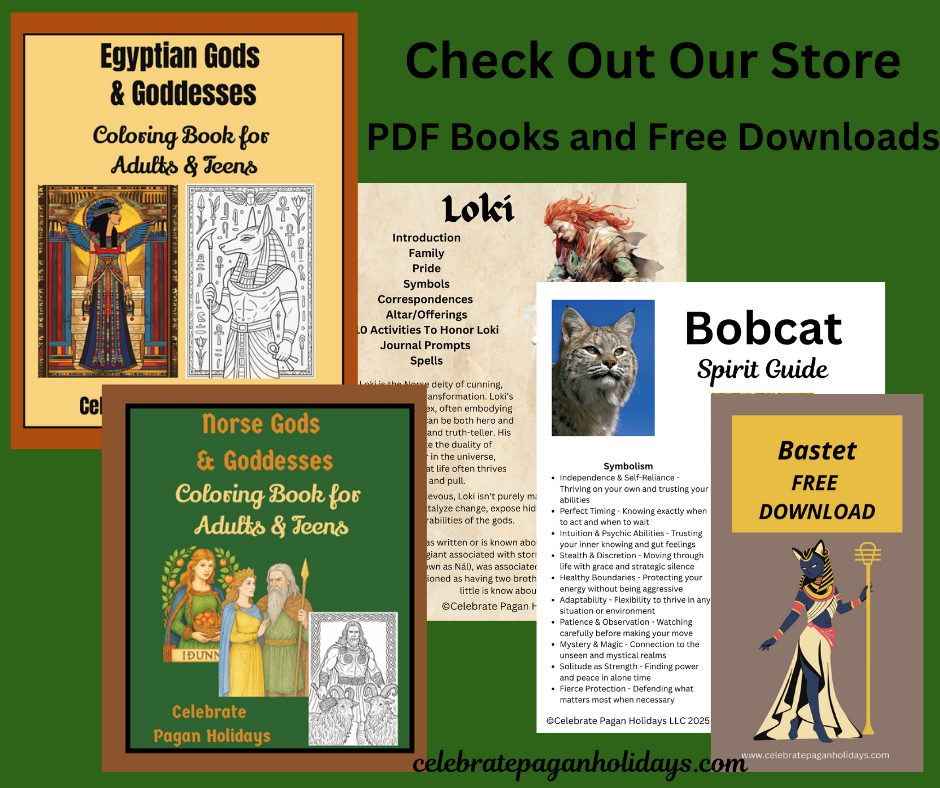
On our resources page I offer PDF books (paperback versions are on Amazon) and free resources to help you on your pagan path.
Modern observances can be simple and meaningful.
Ancestor altar: Include photos, heirlooms, candles, and symbols of your family or land.
Offerings: Milk, cream, butter, bread, apples, honey, or mead. These reflect everyday foods and agricultural life.
Quiet remembrance: Speak names aloud. Thank them for protection, skills passed down, and survival.
Land care: Clean a garden bed, tend fruit trees, or plan crops. Action matters as much as ritual.
Bake some small cakes to honor Mother Earth. Dig four holes in your garden in the cardinal directions and place a cake in each hole. Ask that the cakes bless the soil with fertility.
Lift your arms to the sky and ask that the Gods bless your garden with fertility and abundance.
Anoint your plow (or garden tools) with olive oil and herbs such as myrrh and cinnamon.
This holiday holds a great feast celebrating new beginnings. Offerings were made to female ancestors. Farmers asked for blessings for the future planting season.
In preparation for the feast, small cakes were baked. These cakes were then placed in the furrows the plow made as an offering to mother earth.
Feasts were central to Norse ritual life. A modern Dísablót meal can reflect seasonal, simple foods.
Stews with root vegetables
Barley bread or flatbread
Cheese, butter, and cultured dairy
Apples, dried fruits, or nuts
Mead, ale, or non-alcoholic herbal drinks
Share a portion with the spirits before eating. This can be as simple as setting aside a small plate outdoors.
Celebrate this holiday by recognizing and honoring those women in your life that make a difference. What women this year have had an impact on you?
You may also want to celebrate Thorroblot this season.
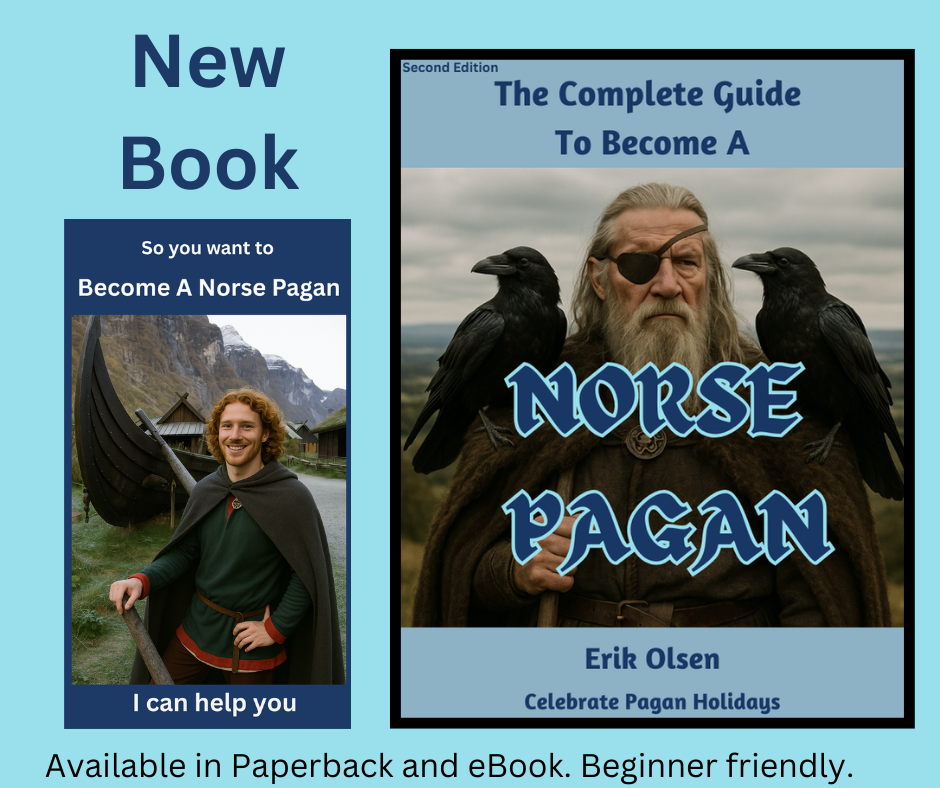
So, you want to become a Norse pagan? That's great! In general, pagan religions don’t ask you to convert, proselytize, or profess allegiance to a single God.
Norse paganism is open to anyone who believes in their deities and practices. There is a growing interest in Nordic religions. In fact, the old Norse religion is going through a major revival.
Odin is a man of intrigue, danger, love, and betrayal, to name but a few of his personal traits. The Allfather seeks and gives wisdom on his journeys, as a warrior, and a poet.
According to Prose Edda, the Allfather is the “highest and oldest of all the gods” and the literal father of many of the Aesir deities. He is the Norse God of Wisdom, Death, War, and Sorcery.
We will be taking a dive into his character and his nature. Odin is a man of intrigue, danger, love, and betrayal, to name but a few of his personal traits.
The Norse religion has a rich yet complex view of death and the afterlife. A Norse priest helps us break down the most important things to know.
What is Norse Paganism? A question that many have asked, from believer to scholar, and all of them have a slightly different answer.
In short, it is modern people adopting the religious practices of ancient Scandinavia and it's European territories.
Morana (Mara, Marzanna, Mora, Mare) is one of the Major Rodnovery deities. The Slavic Goddess of winter and darkness is associated with seasonal rites based on the idea of death and the rebirth of nature.
As the Goddess associated with winter’s death, rebirth, and dreams her death marks the end of Winter and the birth of Lada and Vesna, the deities of Spring.
The birch tree symbolizes starting over, fertility, rebirth, and regeneration. In fact, birches are one of the first trees to grow back after a forest fire.
Birch or Beithe, is the first tree of the Ogham, the Celtic tree alphabet. Beithe (pronounced ‘bey’) is the Gaelic word for birch and means inception or existence.
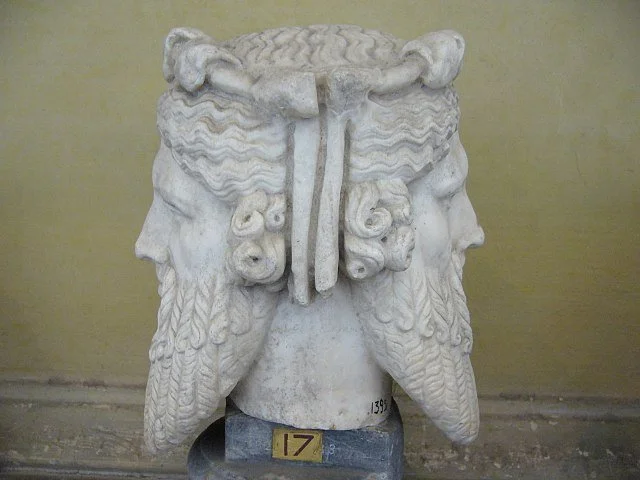
In ancient times, Janus was a god of beginnings and endings. He also represented the year's transitions from one season to another. In modern times, we recognize him as the god of doors and gates. He is depicted in art with two faces looking in opposite directions - one facing forward and one facing back."
This year we celebrate Thorrablot ( Þorrablót) from January 24, 2021 to February 20, 2021. This Nordic holiday celebrates the Vikings and the Ancient Norse Gods with a mid-winter feast.
The “main” festival is held in Iceland with smaller festivals held throughout Scandinavia and wherever Nordic residents reside. Traditional music, dancing, and games are popular.
Get Ready! Yule is right around the corner.
I love holiday decorating - as long as it’s fun and easy. I also like when it is inexpensive!
These decorations will bring joy and meaning to your holiday. For those of you in the broom closet - these are perfect because only you will know the true meaning of the decor!
What came first? Saturnalia or Christmas?
Saturnalia is an ancient Roman pagan holiday in honor of the god Saturn. Held on the 17th of December it has evolved from a one-day holiday to a week-long festival, ending on the 23rd.
Saturnalia also has a big influence on modern-day religions such as Christianity. Many Christmas traditions come from pagan celebrations such as Saturnalia.
Hogmanay is a centuries-old New Year celebration originating in Scotland. It is associated with the giving of gifts, good luck, and the saining of households in the spirit of out with the old and in with the new.
Originally, Hogmanay was celebrated at Samhain to rejoice in the harvest. It was later moved to coordinate with Yule and the Nordic influences.
Imbolc, also referred to as Candlemas or Oimelc, occurs on February 2, 2021. This is an exciting holiday of the returning light. Spring is coming!
The Celtic holiday honors Brigid, the fire goddess of healing, inspiration, and smithcraft. The mantra is refresh, renew, rededicate!
Imbolc is a cross-quarter holiday, midway between winter and spring. It’s one of the eight Wiccan Sabbats in the Wheel of the Year and one of the four Gaelic seasonal festivals.
Affiliate Disclosure: This site contains affiliate links to products and is a member of the Amazon Services LLC Associates Program. We may receive a commission for purchases made through these links at no cost to you. This money helps us pay our writer’s and website expenses. Keep in mind that any affiliate product we recommend is one that we use ourselves. We strive to work with companies that are environmentally friendly and/or contribute to the pagan community.
Disclosure: Occult properties of herbs, plants, crystals, candles etc are provided for interest and entertainment purposes only. No outcome is guaranteed. Nothing on this website should be taken as medical or legal advice. Please use herbs responsibly.


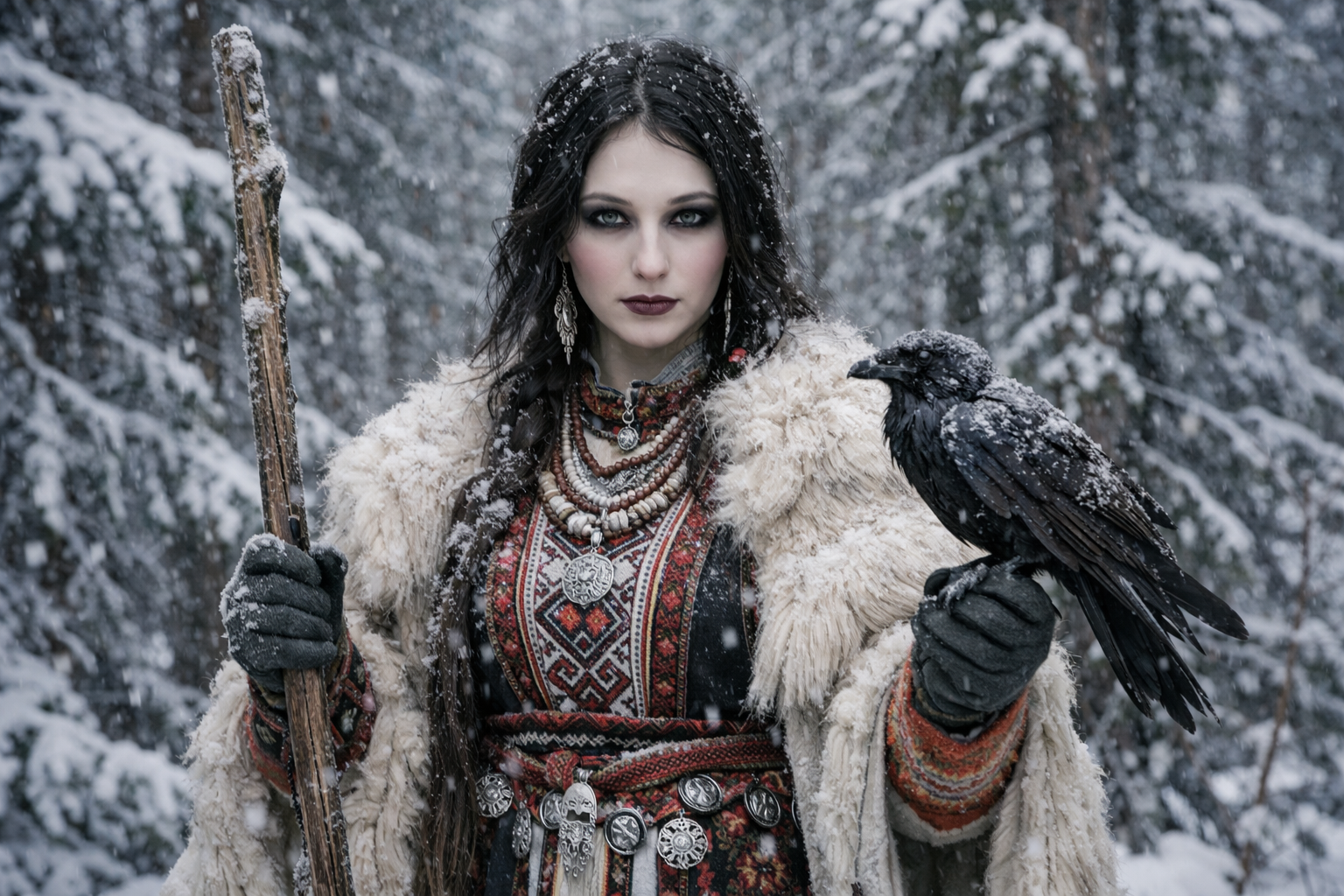


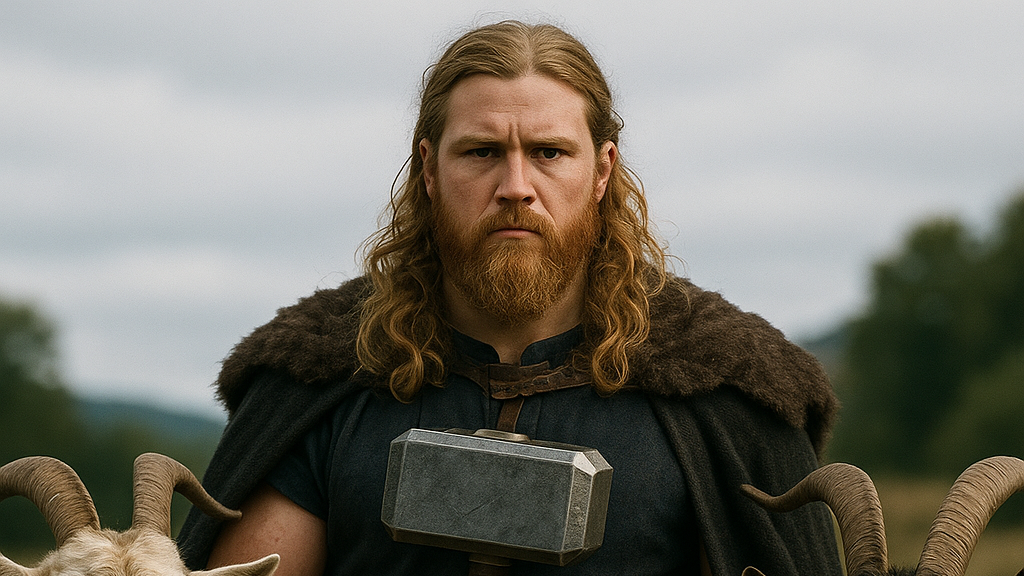


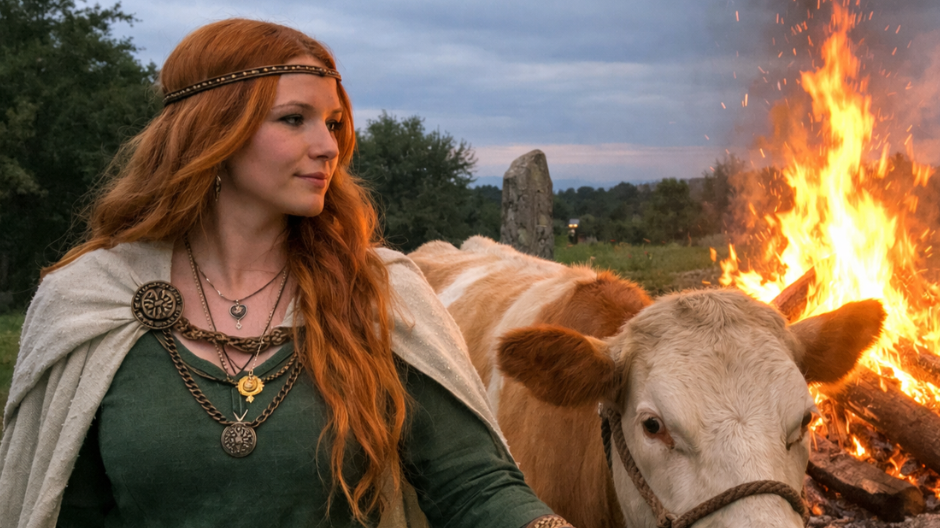
Norse religion, also known as Germanic paganism or Heathenry, is a spiritual path that has deep roots in the traditions of Scandinavian and Germanic peoples, dating back to roughly the 1st century CE.
Far from being a primitive belief system, Norse religion is a sophisticated worldview that continues to shape the lives of modern practitioners across the globe.