This year we celebrate Thorrablot ( Þorrablót) from January 23 - February 22, 2026. This Nordic holiday celebrates the Vikings and the Ancient Norse Gods with a mid-winter feast.
Midwinter is a powerful time in the Northern world. The winds are sharp, the nights are long, and everything in nature folds inward to endure. It’s no wonder that our ancestors created bright, communal celebrations to lift spirits and honor the gods who carried them through the hardest stretch of the year. One of the most fascinating of these winter festivals is Þorrablót (pronounced THORR-a-blote), a lively feast held during the Icelandic month of Þorri.
The “main” festival is held in Iceland with smaller festivals held throughout Scandinavia and wherever Norse pagans live. You can celebrate as a family or a solitary practitioner. Traditional music, dancing, and games are popular.
Today, modern pagans are rediscovering Þorrablót as a meaningful way to honor Norse deities—especially Thor—and to reconnect with ancestral traditions. Below, we’ll explore the origins of the holiday, how it relates to Thor, the unique Icelandic celebrations of Men’s Day and Women’s Day, plus 8 ways you can celebrate Þorrablót in your own home or spiritual community.
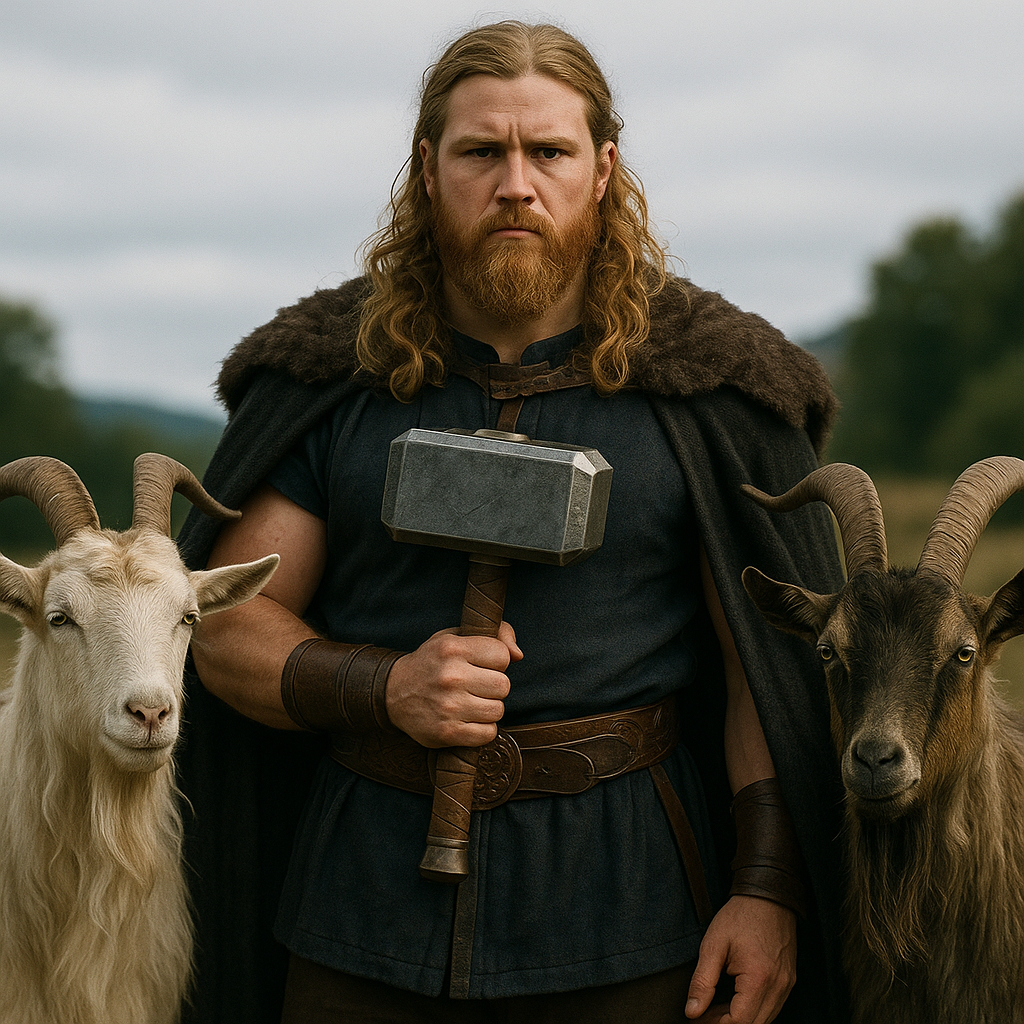
The god Thor
Origin of the Holiday
Þorrablót is rooted in Nordic winter traditions, though its exact ancient form is not fully documented. Iceland’s early settlers—farmers, fishers, and herders—lived at the mercy of a harsh climate. Winter survival required good planning, community cooperation, and a strong spirit. Feasts during midwinter were both practical and symbolic: practical because preserved foods had reached a point where they needed to be eaten; symbolic because gathering together strengthened morale during the darkest season.
Thorrablot was traditionally a sacrificial celebration to honor the Gods. It was abolished by conquering Christians during the 8th to 11th centuries. It was resurrected in the late 1800s to honor and remember the history and culture of the Vikings. Written accounts date back to the 1700s.
The Month of Þorri
In the traditional Icelandic calendar, Þorri is the fourth winter month, beginning on the first Friday after January 19. This timing places the celebration roughly around late January and early February. The word “Þorri” may have several origins:
It might refer to a personification of winter, a spiritual figure connected with frost and hardship.
Medieval sources sometimes associate Þorri with a legendary king, King Thorri Snaersson.
Þorri is linked to Thor, whose Old Norse name Þórr sounds very similar.
Regardless of its linguistic origin, Þorri marks a natural turning point. By this point in winter, people could begin to sense the slow returning of light. Þorrablót, then, was a communal sigh of relief and a promise that the world would warm again.
King Thorri Snaersson
The month of Thorri is named for the Norwegian king of that name and also a reference to Thor the God of thunder. The word blot references a communal event.
The lineage of King Thorri has been debated as to whether he was a historical person. His name appears in many well know Medieval poems including Beowulf in the early 11th century.
Thorri Snaersson was believed to be the King of Kvenland (Norway) and Gotland (Finland) from 320 – 365.
The God Thor of Thunder
Thor is one of the most beloved gods in modern pagan practice and historically one of the most widely worshipped Norse deities. His name appears in place names, personal names, and archaeological artifacts throughout Scandinavian lands.
Thor, often portrayed carrying his hammer, was the Germanic/Norse God of thunder, lightning, and trees. He symbolizes strength, power, and protection of mankind. Thor is portrayed as a powerful man that was strong and often merciless.
During Þorrablót:
Thor may be honored for keeping the household safe through the darkest nights.
His hammer, Mjölnir, becomes a symbol of stability during the cold season.
Some modern pagans view the rising of daylight after midwinter as Thor’s energy stirring.
Read my blog Thor: God of The Common People to learn more about him
For many modern practitioners, Þorrablót serves as a companion holiday to Yule. Yule celebrates rebirth and cosmic renewal; Þorrablót celebrates strength, resilience, and community—all qualities Thor exemplifies.
Traditional Foods
Vikings ate a lot of foods that seem very unfamiliar to us. During this time of winter darkness, fresh food was scarce.
Much of the food eaten was the undesirable body parts that had been preserved with fermented mysa. Mysa is a heavy whey that preserves and breaks down protein to make the meats more tender.
In Iceland, they celebrate with traditional Nordic foods such as
Brennivin - alcohol referred to as ‘black death’. It’s a type of schnapps made from potatoes and caraway
Rugbraud - rye bread
Hakari – shark
Hangikjöt – smoked lamb
Harðfiskur – dried fish
Súrsaðir hrútspungar – pickled ram’s testicles
Svið – singed sheep’s head
Lifrarpylsa – liver pudding
Rófustappa – mashed turnips
Flatbrauð – Icelandic flatbread
Check out this article from Nordic visitor for all the gruesome details to what these foods entail.
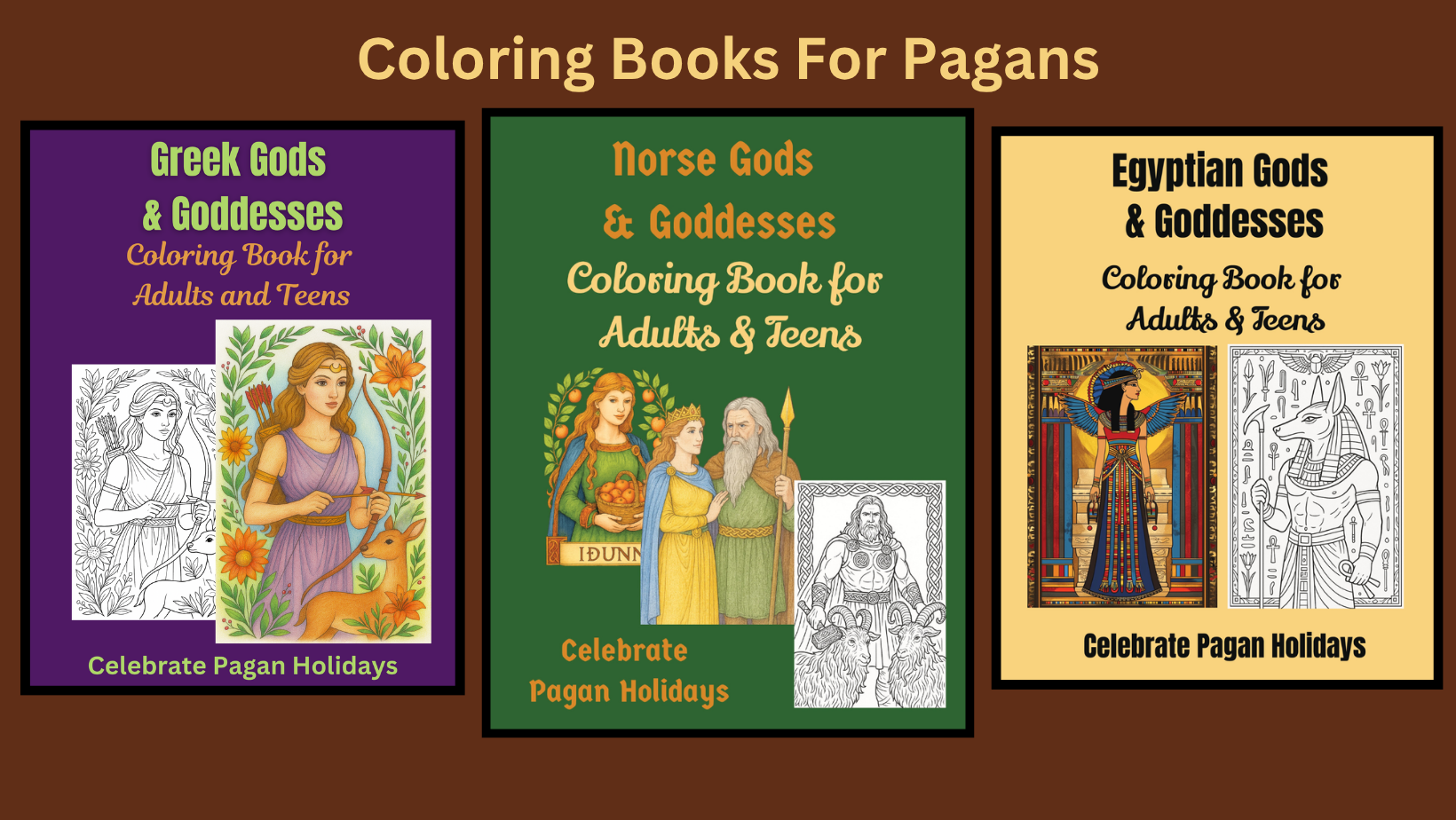
Great for families. These adult coloring books can be found on Amazon in paperback or on the website in PDF. Click image for paperbacks.
Enjoying Thorrablot Today
You don’t have to eat ram’s testicles—unless you really want to! Þorrablót is wonderfully adaptable, and you can shape it to your own practice, your climate, and your household.
There are many ways we can celebrate and enjoy this Norse holiday. Like many old festivals, Þorrablót is a blend of historical roots and modern creativity—a living tradition that invites participation. The modern feast is inspired by medieval texts, sagas, and folklore, but reconstructed through a contemporary lens.
Create a Thor-Focused Rite or Offering
Because Þorrablót is so strongly associated with Thor, many modern pagans build a simple ritual honoring him. This doesn’t need to be elaborate.
A basic example:
Light a red or gold candle.
Place a hammer symbol, stone, or piece of iron on your altar.
Offer a drink—beer, mead, cider, or clean water.
Speak words of gratitude for protection, strength, and endurance.
Ask for continued steadiness through the remainder of winter.
Thor’s energy is robust and grounded. He’s often approached with honesty, simplicity, and sincerity rather than formality.
If you enjoy structured ritual, you can model your ceremony loosely on historical blóts (sacrificial rites), modified for modern ethical practice. A blót is essentially a ritual offering—toasting, praising, and sharing food or drink with the gods and spirits.
A simple modern blót might include:
Opening with a hammer rite for protection.
Calling on Thor and any other deities you wish to honor.
Offering food, drink, or symbolic objects.
Storytelling or reading excerpts from the sagas involving Thor.
Sharing a communal drink or bread among participants.
Closing with thanks and grounding.
Blóts don’t need to be historically perfect. What matters is sincerity and connection.
Thor is a natural centerpiece for this feast, but you may also honor Odin, Skadi, the landvættir (land spirits), or your own ancestors.
2. Feasting
Have a feast! Serve more contemporary Icelandic fare such as smoked salmon, lamb, sausages, rye bread, eggs, and sea fish such as haddock and shrimp.
If you are a vegetarian, they do eat some interesting vegetables such as seaweed, lovage, rhubarb, and crowberry. More mainstay vegetables such as turnips and cabbages are started in greenhouses. Other popular foods include blueberries and wild mushrooms.
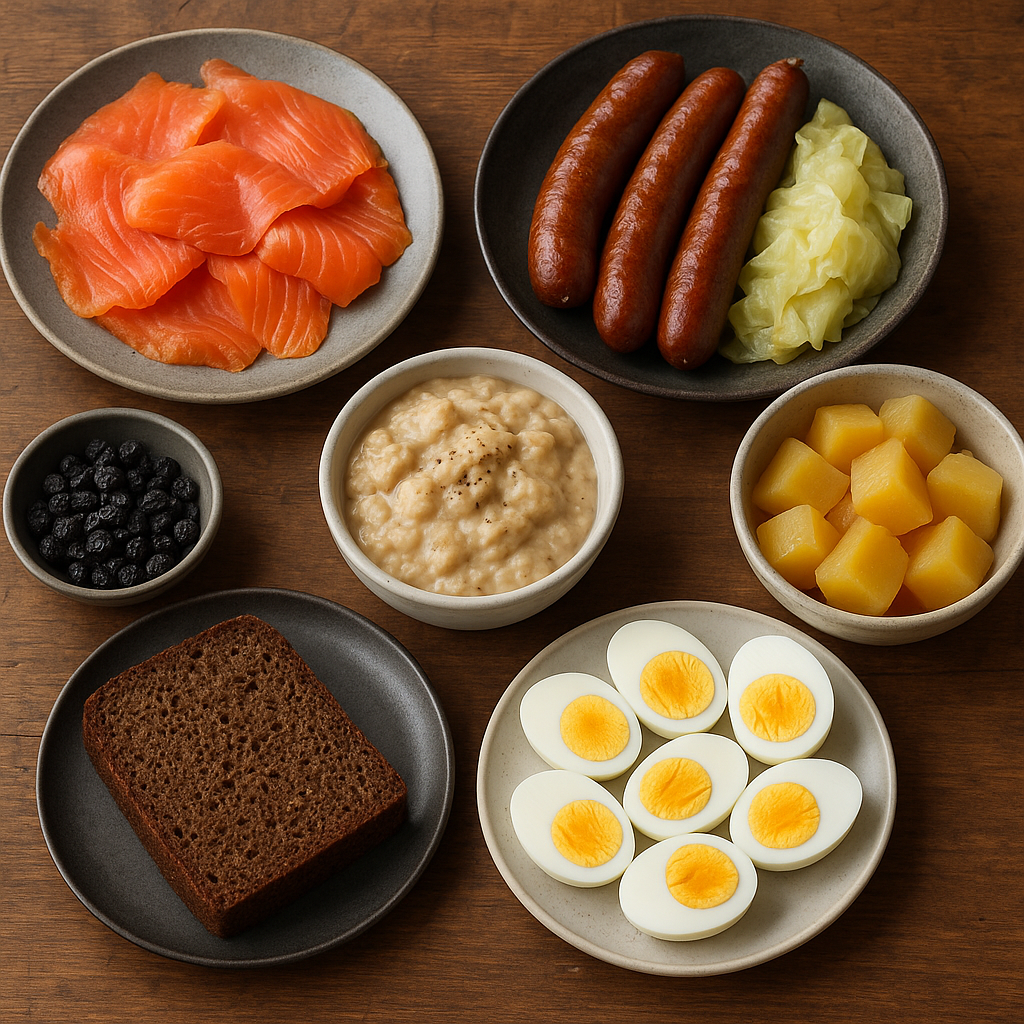
Check out Homestyle Icelandic Cooking for American Kitchens to learn more great recipes.
At the meal, invite participants to:
Toast the gods, ancestors, and natural forces
Share stories about strength, survival, or winter experiences
Offer gratitude for the community that supports them
3. Honor the Ancestors and Winter Survival
Þorrablót is deeply tied to the idea of surviving winter as a community. A meaningful way to celebrate is to honor:
your ancestors
the land that sustains you
the hardy wildlife that endures winter
the old skills of food preservation and stewardship
You might set up an ancestor table with winter foods, light a candle for those who came before you, or spend time reflecting on your own resilience.
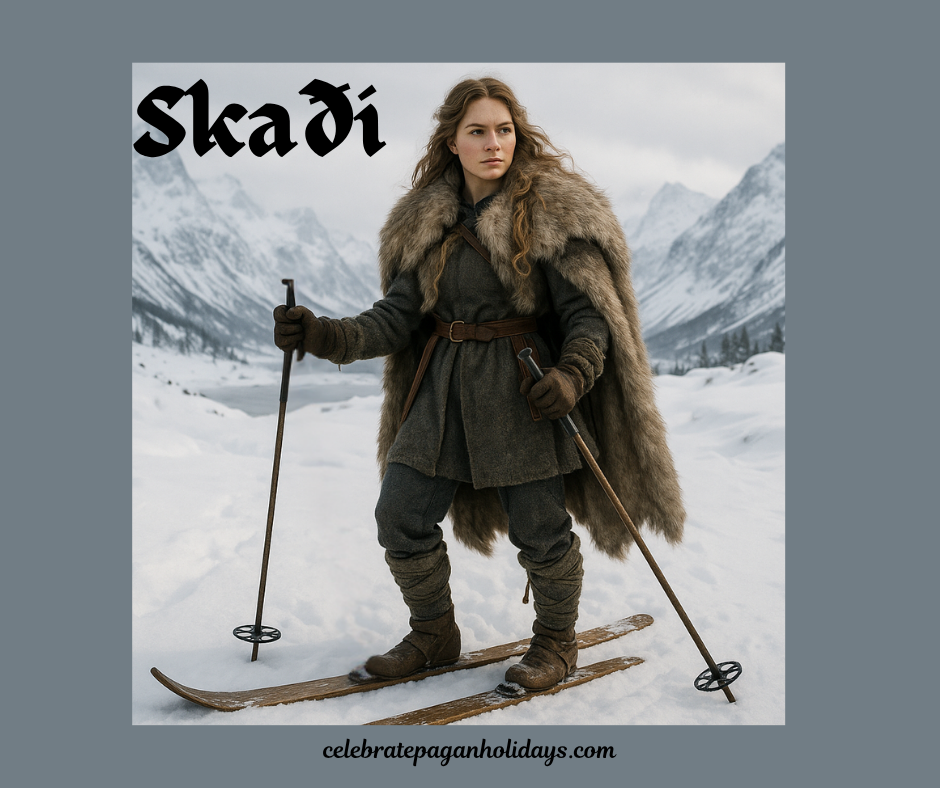
Skadi the Norse goddess of winter , skiing, archery, and the mountains
4. Storytelling
The Icelandic people are very well read and it’s the most literate country in the world. This literacy stems from a long oral history of storytelling.
One way to celebrate Thorrablot is to read poetry. Poetry or Kveoskapur is very popular. Epic poems can be traced back to the 11th century.
I highly recommend reading The Poetic Edda stories and poems of the Norse Gods. This edition is translated and edited by Professor Jackson Crawford.
Stopping by Woods on a Snowy Evening a favorite winter poems for young children. A great version is available here. Robert Frost wrote many poems about nature.
5. Music and Dancing
Winter in the North could be bleak and isolating. Music and dance brought warmth, connection, and resilience, qualities at the very heart of Þorrablót. They turned the longhouse from a place of endurance into a place of joy, giving people the emotional strength to finish winter’s journey.
When we picture the Norse world, we often imagine warriors, ships, and sagas — but they were also a deeply musical people. Feasts such as Yule, harvest festivals, and Þorrablót weren’t quiet, somber events. They were lively, communal gatherings filled with storytelling, boasting, singing, and instruments that echoed through the longhouses.
Sing a Simple Chant
Create or borrow a chant that honors Thor or midwinter strength. For example:
“Hammer of thunder,
Protector and friend,
Guard us through winter,
Till the light comes again.”
Group chanting builds community and raises energy.
6. Practice Traditional Skills
Many homesteaders and back-to-the-land pagans love using Þorrablót as a time to celebrate self-sufficiency skills, such as:
bread baking
meat smoking
fermenting
winter herbalism
knitting or sewing
repairing tools
learning about Norse history or mythology
These activities connect you with the practical heartbeat of the ancient Norse world—people who shaped their spirituality around the land and what it demanded of them.
Do you have children in your family? A great winter activity is reading the stories out loud. Read my article Norse Mythology Children's Book Reviews For Pagan Families
7. Spend Time Outdoors
Even in the cold, stepping outside honors the spirit of Þorri. Bundle up and take a winter walk. Notice:
animal tracks
the sounds of wind or ice
the changing light
the resilience of evergreens and winter birds
Offer a small blessing of thanks to the land spirits for their endurance.
Our founder Ame Vanorio is an environmental educator and she has several books on wildlife rehabilitation plus a fun kids activity book Wildlife Tracks PreK - 1 Learning Adventure Winter is a great time to track animals!
8. Charity and Community Support
One of the best ways to honor a protector god is to protect others. You can celebrate Þorrablót by taking a wintertime action that helps your community, such as:
donating warm clothing
helping a neighbor with winter chores
offering food to a local shelter
supporting wildlife through feeders or habitat care
These acts reflect the communal survival spirit that defined northern cultures.
Celebrate Men’s Day and Woman’s Day
Two fun holidays bookend the month-long holiday in Iceland.
Bóndadagur (Husband's Day), which marks the official start of the month of Þorri, is on Friday, January 23, 2026. The season ends with Konudagur (Women's Day), which is on February 22, 2026.
Historically on Bóndadagur, the farmer of the household—usually the husband—was expected to rise early, step outside in only his shirt, and perform a small ritual to welcome Þorri into the home. This symbolic gesture was meant to charm good fortune and show hospitality to the spirit of winter.
Today, Bóndadagur is a light-hearted celebration similar to a “men’s appreciation day.” Icelanders honor the men or partners in their lives with:
Special meals
Gifts
Acts of kindness or appreciation
It’s not inherently religious, but it connects to the spirit of Þorri: appreciating the hard work that keeps the household running during winter.
Roughly one month later, as Þorri ends and the next month begins, Iceland celebrates Konudagur (“Women’s Day”). This tradition honors wives, mothers, female partners, and important women in one’s life.
Both seasons are days to honor the loved ones of that gender in our lives. On this day, people give flowers, cook meals, or perform acts of care. The holidays are compared to Valentine’s Day in the United States. Traditionally both men and women give and receive flowers and other small gifts.
Norse witches may interpret these days as celebrations of divine masculine and divine feminine energies, or simply as cultural observances that emphasize gratitude, partnership, and support.
For another Norse Holiday check out our article on Disablot and Charming the Plow
Take Away
The heart of the celebration is coming together, sharing food, storytelling, and toasting. Honoring the gods, offering a sacrifice, and expressing your gratitude. Music, recitations, and honoring the ancestors, are great Thorrablot activities.
Author, Erik Olsen, graduated from college in Spring 2022 with a degree in Anthropology and a minor in Scandinavian Studies. He did a study abroad in Norway. While in school he completed an internship with the Smithsonian Museum of Natural History which led him to his current position as museum assistant curator.


Norse religion, also known as Germanic paganism or Heathenry, is a spiritual path that has deep roots in the traditions of Scandinavian and Germanic peoples, dating back to roughly the 1st century CE.
Far from being a primitive belief system, Norse religion is a sophisticated worldview that continues to shape the lives of modern practitioners across the globe.