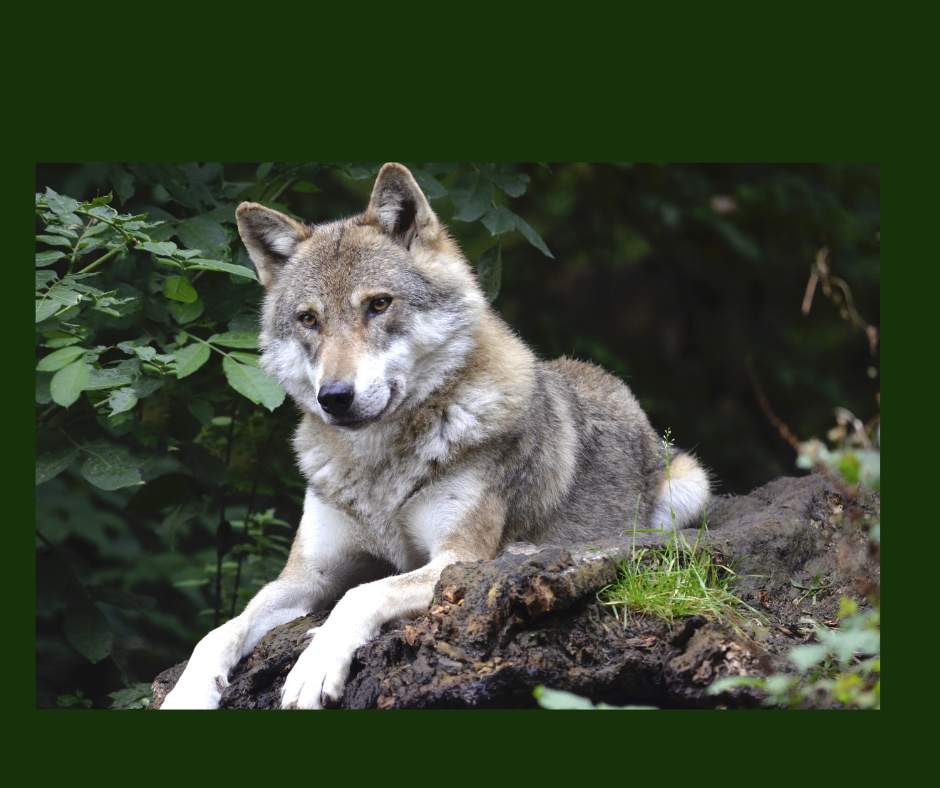
Dogs are our faithful companions. They are loyal, loving, and will go to the ends of the earth for us. I have had a number of dog companions. Our ancestors also had dog companions both in work and play. Dog deities are common in many pagan paths.
The relationship between wolves and hunter–gatherers began more than 17,500 years ago. An archaeological site in Germany dating back 14,000-years found a dog buried with two humans demonstrating a close relationship.
Dogs meant many of the same things to people in the past as they do today. Protection, safety, and friendship. Dogs often guard the underworld. They represent healing. In the ancient world, dogs were observed licking their wounds to recover. So lets jump in. I have deities in alphabetical order by culture.
Aztec
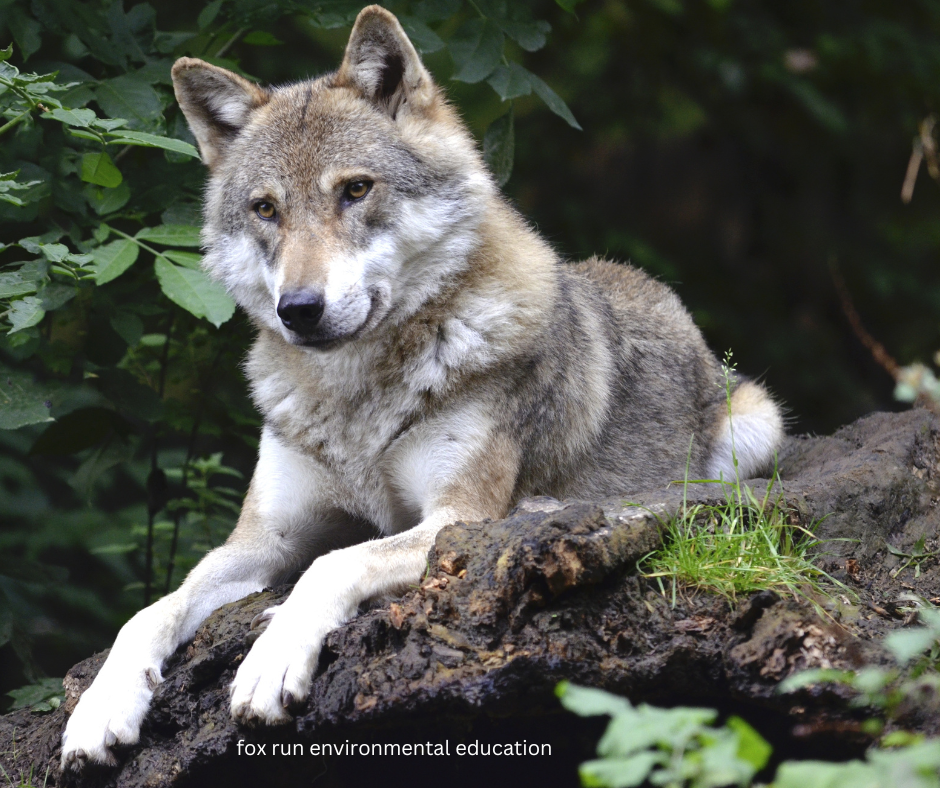
Xolotl
The Aztec god Xolotl was a dog-headed deity and psychopomp, guiding human souls through the dangerous levels of Mictlán the Aztec underworld. His job was to protect the sun from the dangers of the underworld.
Xolotl is the twin brother of Quetzalcoatl, the feathered serpent who is the god of wisdom. Together they went to the land of the dead to retrieve the bones from those who inhabited the previous world to create modern civilizations. Xolotl created dogs as a gift to humanity.
His two spirit animal forms are the Xoloitzcuintle Mexican hairless breed of dog and the aquatic salamander species axolotl. The axolotl is named after him.
Celtic
Nodens
Nodens is the Celtic god of healing, hunting, dogs, and water. There are not any surviving statues of him as a human but archaeologists found bronze dog statues and votive plaques at his temple in England.
His temple complex at Lydney Park, England, overlooking the River Severn. Archaeologists call it an incubatio or dormitory for travelers to sleep and experience a vision of divine presence in their dreams. Many pilgrims left statues of dogs due to the healing symbolism associated with them.
Anubis is a well-liked and respected Egyptian God. He is both the weigher of the heart (judgment) and the protector of souls (guardian). Learn how to set up an altar, give service to him, and allow him to guide you through hard times.
Egyptian
Anubis
Many ancient pantheons linked dogs with death, transition, and the underworld. In ancient Egypt, Anubis was the jackal-headed god of embalming and the afterlife.
Specifically, the Egyptian Jackal which was recently renamed by scientists and is now called the Golden or African Wolf. The jackal's association with death and rebirth symbolizes the cycle of life and the transformation of the soul.
Anubis declares judgment on the fate of the soul. A heavy heart and the soul would be devoured by Ammit. When the feather was heavier than the heart Anubis would lead the relieved soul to the glorious afterlife. He was also perceived as a divine protector, guarding the people against evil spirits and guiding them towards spiritual enlightenment.
Anubis wants to offer us guidance. So the hard part of course is being the blindfolded person and allowing him to lead. Think of him as your seeing eye dog.
Greek
Hecate
Of the Greek deities Hecate is strongly associated with the underworld, and also with its denizens. Demons and ghosts are often called “the dogs of Hecate,” in analogy to earthly dogs, which are sacred to her.
She can send her “dogs” against people who offend her and calls them off if those in danger invoke her. Her dogs are often seen in doorways to guard against unwelcome intruders. In ancient hymns and writings, the Goddess Hekate’s arrival is heralded by the baying of hounds. Often depicted at her side they symbolize protection, guidance, and the ability to traverse the realms of the living and the dead.
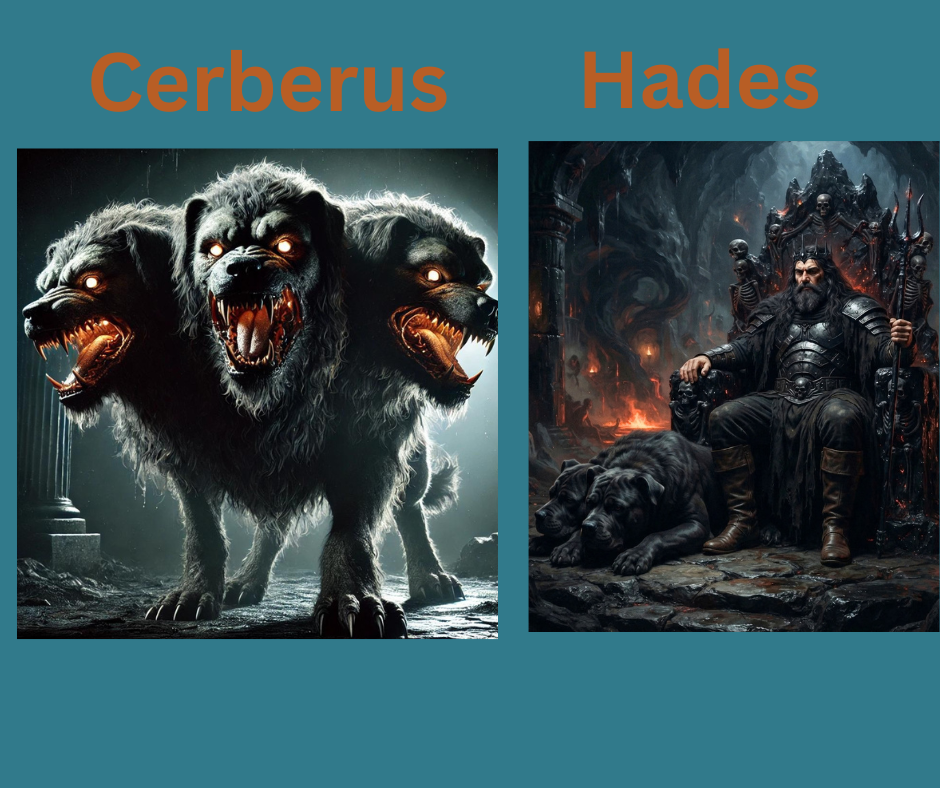
The three-headed hound, Cerberus (Kerberos) who guarded the entranceway to the Underworld is connected to Hades.
Cerberus and Hades
The three-headed hound, Cerberus (Kerberos) who guarded the entranceway to the Underworld is connected to Hades. Called the hound of Hades the fearsome Cerberus was on guard to keep the living from entering Hades and the souls of the dead from leaving. Hades is both the god and the place.
Hades is the brother of Zeus and Poseidon, and one of the main deities of the Greeks. Joint sovereignty over the cosmos. Hades received the underworld, Zeus the sky, and Poseidon the sea. We often think of death or the dead as evil Hades is passive and seldom portrayed negatively; his role was often maintaining relative balance.
This video explores some of our favorite dog deities and spirits,
Artemis
Artemis represents the untamed spirit of wilderness, the protective instincts of motherhood, and a fierce independence that resonates with many of us. She is goddess of the hunt and according to some myths, the god Pan gave Artemis a pack of hunting dogs—often noted as seven or thirteen hounds—bred to track and catch game.
Her connection with animals extended beyond mere companionship or symbolism. Artemis was a fierce protector of wildlife, ensuring that hunting was done respectfully and sustainably. Ancient Greeks believed that displeasing Artemis by disrespecting nature or harming animals unnecessarily could invoke her wrath, manifesting as misfortune or punishment.
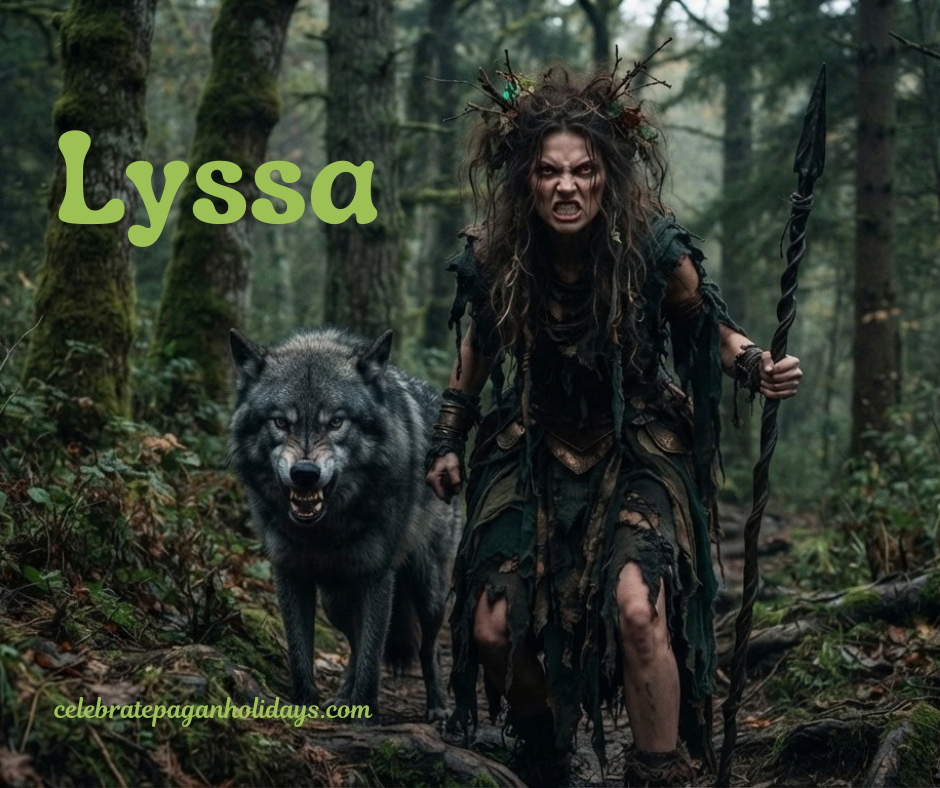
Lyssa is a minor Greek goddess and the spirit of rage, fury and rabies in animals.
Lyssa
In Greek mythology, Lyssa is a minor goddess and the spirit of rage, fury and rabies in animals. She is often portrayed driving people insane and leading them to their doom. She was occasionally portrayed as a dog or with a dog companion.
Lyssa Greek name comes from the word lúkos meaning "wolf". As a wildlife rehabilitator I often associate her with the raccoon even though raccoons would not have been present in Ancient Greece. The flower Alyssum was named after her because seeds of alyssum were used (unsuccessfully) to treat rabies, in Ancient Greece. The flower alyssum is symbolic with protection.
Mesopotamia
Bau
Bau from Mesopotamia was frequently associated with dogs and canine symbolism. The Sumerians observed that dogs licked their wounds and healed, so they linked dogs, and by extension, Bau to cures. Bau first emerged in Sumer around 2230–2110 BCE and served as a city goddess in the Lagash region.
Bau is a family deity. Her husband is the god Ningirsu. Their children are deities including Igalim, Shulshaga and Ḫegir. As a healing goddess Bau was also associated with midwives and addressed as merciful mother. A hymn praising Bau as a divine midwife was composed to celebrate the birth of the child of queen Kubatum, wife of Shu-Sin, King of Ur.
Norse
Odin
Odin the Norse Allfather and god of wisdom, war, and poetry. His wolves are named Geri and Freki, which roughly translate to "the greedy one" and "the ravenous one" They represent Odin’s fierce, predatory, and warlike nature, contrasting slightly with his wisdom-seeking ravens
When I was a kid my mother would get mad at us for feeding the dogs from the table. Odin would have been fine with that as he did the same.
Garmr (The Hound of Hel)
Garmr guards the gates of Hel, the Norse realm of the dead, staying chained at the entrance inside a cave called Gnipahellir. His howling helps herald the end of the world. Scholars debate whether Garmr is a distinct hound or simply another name for the monstrous wolf Fenrir.
“Now Garm howls loud | before Gnipahellir,
The fetters will burst, | and the wolf run free;
Much do I know, | and more can see
Of the fate of the gods, | the mighty in fight.”
Tyr
Týr is the Norse god of war and closely associated with canines, due to his role in raising and feeding Fenrir before binding him with magical dwarf made ribbon. Fenrir agreed to be bound only if Tyr places his hand in the wolfs jaws in a pledge of good faith. Fenrir bites off Tyr’s hand while the god’s bind him.
Fenrir is the son of the god Loki along with Hel and Jörmungandr. It is foretold that he will kill Odin during Ragnarök, and will in turn be killed by Odin's son Víðarr.
Find my Deity Guide for Loki on Etsy
This video explores some of our favorite cat deities and spirits, including Bastet, Freyja, Li Shou, Ovinnik, Mishipeshu, and Tezcatlipoca, and their place in ancient history. We explore the spiritual meaning of cats and how the ancestors worshiped them.
Slavic
Leshy
Leshy is a Slavic deity of the forest and hunting. He can shape-shifting into various animals, including dogs, and is sometimes accompanied by a large black dog. In Slavic pagan culture, black dogs often symbolize liminal spaces, guardianship, or otherworldly spirits tied to the wild and unseen realms.
He protects woodland creatures, and may trick unsuspecting humans who enter the woods. He and his wife have lots of children because they lure lost children home. I looked up the artist for this sculpture and found out the artist Dariusz Fluder does a lot of work from Slavic paganism. So worth checking out.
Author, Ame is the founder of Celebrate Pagan Holidays. Learn more about her here.

Anubis has a bad rap. As a death god and Lord of the Afterlife, he is often portrayed in contemporary media as an evil or angry villain. Nothing is further from the truth.
Historically Anubis (Anpu or Inpu) is a much admired god who was seen as both the weigher of the heart (judgement) and the protector of souls (guardian).