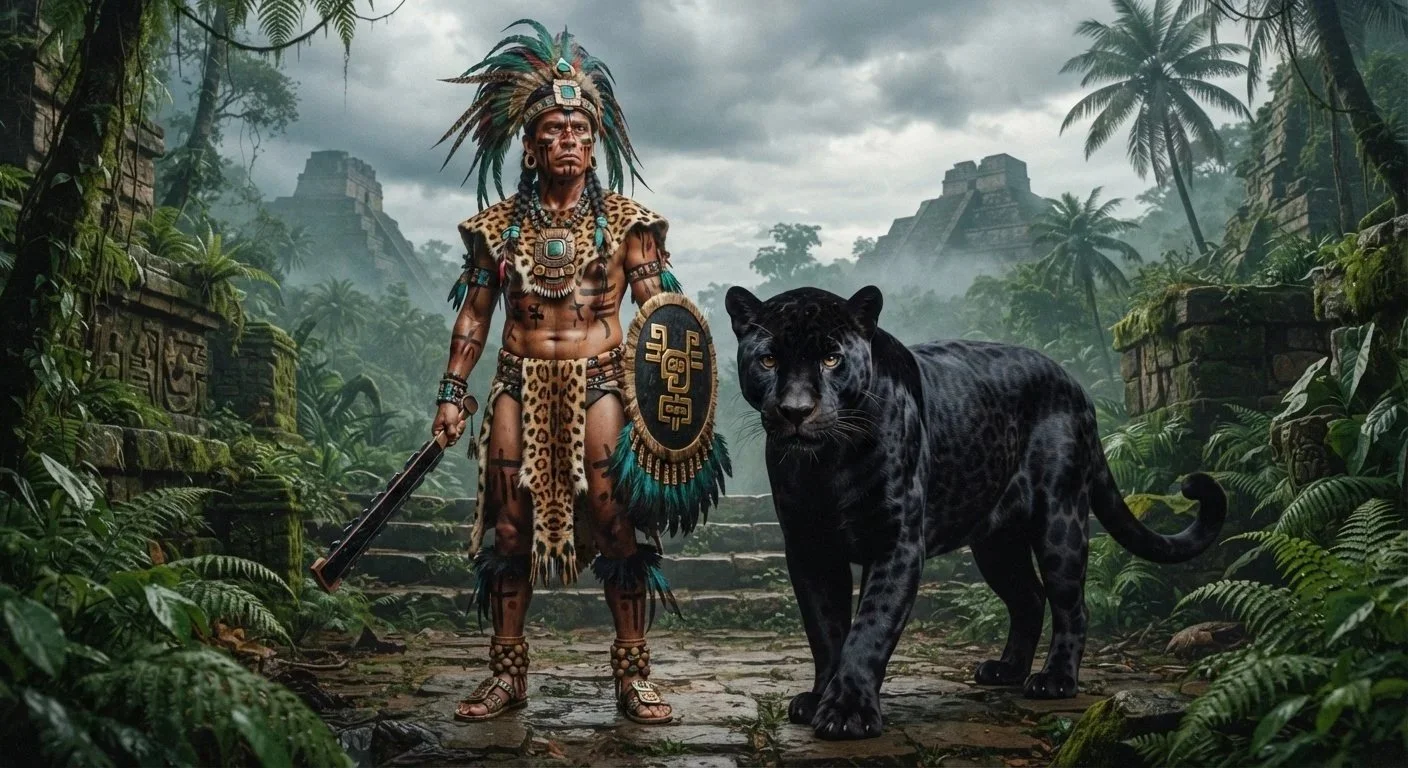
A nagual or nahual is a human being who has the power to shapeshift into an animal. Beyond physical transformation, a Nagual serves as a bridge between the physical and spiritual worlds, helping people break through illusions and gain non-ordinary knowledge.
Nagualism is Mesoamerican in origin and originates in pre-Columbian shamanistic practices. Olmec and Toltec depictions show images of human beings transforming themselves into animals.
We are going to cover an overview and look at prehistorical as well as historical information. Nagualism is very complex and does vary by region and is practiced in the Americas.
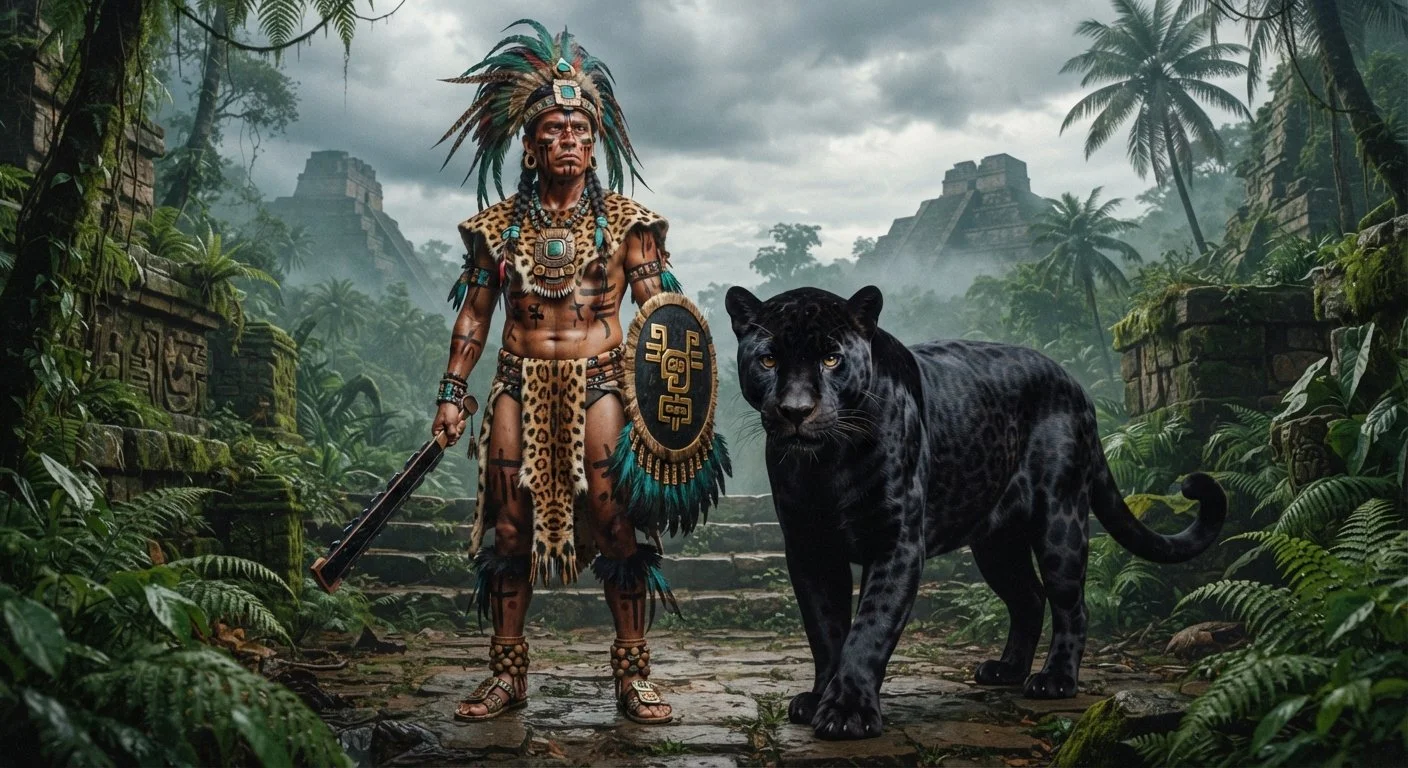
A nagual is a human being who has the power to shapeshift into an animal.
Nagual and Tonal Animal
Nagualism is tied to the belief we can access power and spiritual insight by connecting with the tonal animal within us. A tonal animal is similar to a totem animal. The mesoamerican concept is that after being born we receive a close spiritual link to an animal, a link that lasts throughout the lives of both the animal and the human. Powerful sorcerers can physically transform into their animal counterpart.
Common Nahual Animals
Jaguar or Puma: Symbolizes power, strength, and the underworld.
Coyote or Wolf: Represents cunning, survival, and adaptability.
Owl or Eagle: Associated with wisdom, night vision, and the skies.
Dogs and Deer: Often tied to loyalty, guidance, and gentleness
Belief centers on the duality of tonal, the conscious self and the nagual or animal spirit side. They can act as protectors and healers.
In the Aztec religion the god Tezcatlipoca was the protector of nagualism. His tonal was the jaguar and he governed the distribution of wealth.
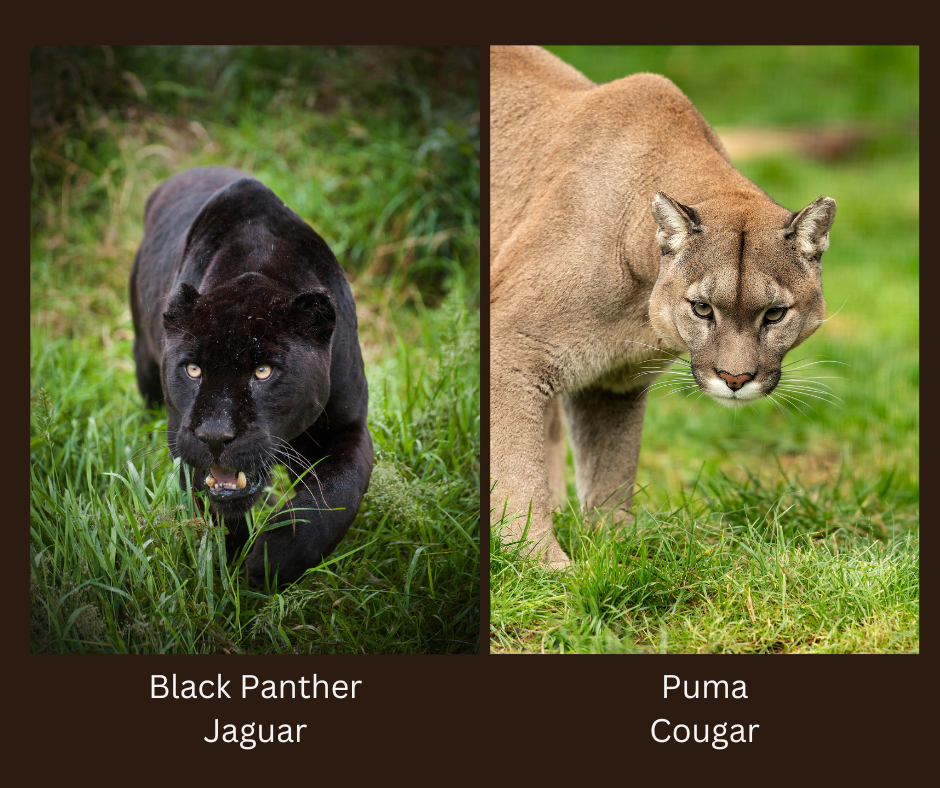
The jaguar and puma are considered very powerful tonals.
Calendar
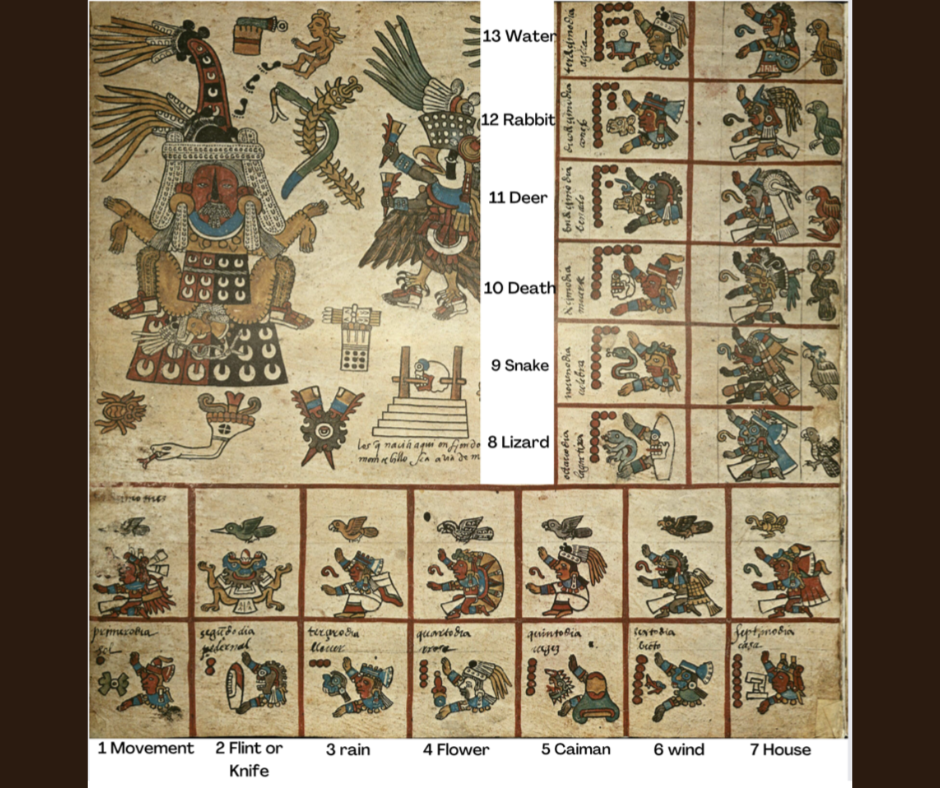
Nagaulism is linked to Mesoamerican calendar systems. Both the Mayan and Aztec cultures had highly sophisticated and accurate calendar systems. They shared a common structure for tracking time, using interlocking cycles that served religious, ritual, agricultural, and civil purposes.
Tōnalpōhualli, Aztec Sacred Calendar
The Tōnalpōhualli is a 260 day 13 division Aztec calendar system which is often used for divination. It has 260 days to symbolism gestation. Each day is signified by a number from 1 to 13, however the numbers may vary. January is listed below ( Brinton, 1898) Links are for spirit animal articles.
1. Lion (puma).
2. Snake.
3. Stone.
4. Alligator.
5. Ceiba tree.
6. The quetzal (a bird).
7. A stick.
8. Rabbit.
9. A rope.
10. Leaf.
11. Deer.

12. Guacamayo (parrot).
13. Flower.
14. Toad.
15. Caterpillar.
16. A chip.
17. Arrow.
18. Broom.
19. Jaguar.
20. Corn-husk.
21. A flute.
22. Green-stone.
23. Crow.
24. Fire.
25. A pheasant.
26. A reed.
27. Opossum.
28. Huracan (the thunder-storm).
29. The vulture.
30. Hawk.
31. Bat.
Negative Naguals and Evil Spirits
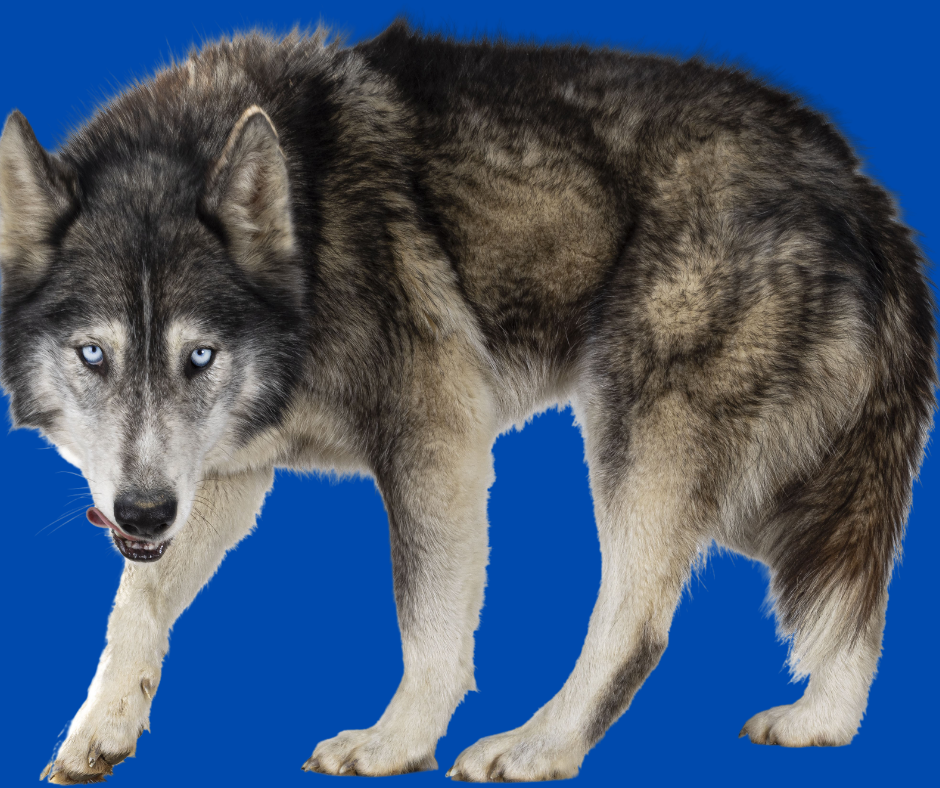
Some cultures do have a more negative view where naguals shapeshift into an animal at night often a wolf or bat a steal or drink blood from humans
Historical Perspective
Daniel Garrison Brinton was an American anthropolist in the late 1800s who lived in Mexico who studied indigenous languages, history, and literature of Mexico. His book is available to read for free here Nagualism A Study in Native American Folk-lore and History
While Brinton was a white man from “civilization” he made some excellent observations.
Tonal Leaving The Body
The Maya believed the tonal could leave the body. As long as it remained with the person they would enjoy health and prosperity. Brinton wrote how the tonal “could depart, go astray, become lost; and then sickness and misfortune arrived. This is signified in the Nahuatl language by the verbs tonalcaualtia, to check, stop or suspend the tonal, hence, to shock or frighten one; and tonalitlacoa, to hurt or injure the tonal, hence, to cast a spell on one, to bewitch him.”
Native doctors were then summoned to bring the tonal back. They may use charms or spells. “It was to recall the tonal, to force or persuade it to return; and, therefore, the ceremony bore the name “the restitution of the tonal,”.
Negative and Evil Spirits
In many indigenous communities, a nagual is a spiritual companion or alter ego that guides and protects a person. Some cultures do have a more negative view where naguals shapeshift into an animal at night often a wolf or bat a steal or drink blood from humans. Naguals are sometimes linked to malevolent witchcraft.
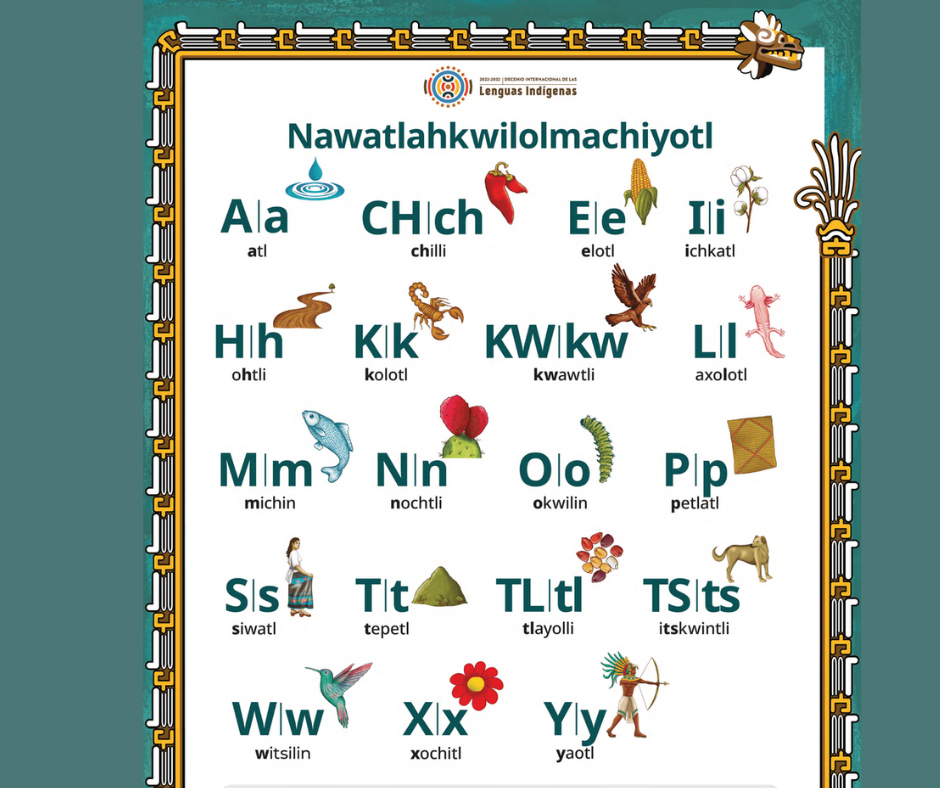
Illustrated alphabet of the Nahuatl language.
In the US we tend to think that everyone in Mexico speaks Spanish. Luckily several indigenous languages survive and nawat is spoken by about 1.7 million people.
Many modern artists carve statues that can be a great addition to your altar.